


If you’ve ever struggled with cold feet during a ski run, a winter hike, or a long shift outdoors, you know how quickly discomfort can ruin the experience. Heated socks offer a reusable, adjustable source of warmth that can keep your feet comfortable for hours without the waste of disposable warmers. This guide explains how heated socks work, what benefits they provide, who they’re best suited for, and what to look for when choosing a pair. We’ll also compare leading models and answer common questions to help you decide whether heated socks are a worthwhile addition to your cold‑weather gear.
Affiliate Disclosure
We may earn a commission from qualifying purchases made through the affiliate links in this article at no extra cost to you. This helps support our site and allows us to continue providing helpful, research‑based content. Our recommendations are based on the information supplied by manufacturers and publicly available product data; we do not claim to have personally tested any of the products mentioned.
How Heated Socks Work
Heated socks are battery‑powered garments that use a 5 V lithium‑polymer battery (typically 5000 mAh or 6000 mAh) to power flexible heating elements woven into the fabric. The user selects a heat level—usually three or four settings—via a button on the cuff or, on some models, a smartphone app. Heat is distributed evenly through the sock, and the battery pack is removed before washing to protect the electronics. Most designs include over‑heat protection circuitry to prevent excessive temperatures.
Direct answer (40‑60 words): Heated socks are rechargeable, battery‑powered socks that generate warmth through built‑in heating elements powered by a 5 V lithium‑polymer battery. Users adjust heat via a button or app, and the battery is removed for machine washing. Safety features such as over‑heat protection are standard.
Key Benefits & Advantages
Heated socks provide several advantages over traditional methods of keeping feet warm:
- Adjustable, long‑lasting heat: a single charge typically delivers 6–9 hours of warmth, which can be reused many times.
- Reusable nature reduces long‑term cost and waste compared with single‑use chemical warmers.
- Suitable for active outdoor pursuits such as skiing, hunting, camping, hiking, motorcycling, and cold‑weather work.
- Some models offer app‑based temperature control and battery‑level monitoring for added convenience.
- Many are made with OEKO‑TEX STANDARD 100 or Global Recycled Standard materials, indicating testing for harmful substances and environmentally friendly production.
Who Should Buy Heated Socks?
Heated socks are particularly useful for:
- Outdoor enthusiasts who spend extended periods in cold environments—skiers, hunters, campers, hikers, and motorcyclists.
- Individuals with poor circulation or conditions such as Raynaud’s phenomenon, where maintaining foot warmth can alleviate discomfort.
- Workers in cold‑weather jobs including construction, warehousing, agriculture, and utility maintenance.
- Consumers looking for a reusable alternative to disposable toe or foot warmers who want to reduce ongoing expense and environmental impact.
Important Buying Considerations
Battery Capacity & Runtime
Most heated socks use a 5 V lithium‑polymer battery rated at either 5000 mAh or 6000 mAh. Manufacturers advertise runtimes of 6–9 hours on a single charge, though actual duration varies with the selected heat setting and ambient temperature. A higher capacity generally offers longer use but may add slight weight or bulk.
Heat Levels & Controllability
Models typically provide three or four adjustable heat levels, allowing users to match warmth to activity and conditions. Some higher‑end versions include Bluetooth or smartphone app control, enabling preset temperatures, battery monitoring, and remote adjustments. App control adds convenience but may increase the product’s price.
Fit & Size
Because heated socks contain battery packs and heating elements, fit can differ from regular socks. It’s important to consult the manufacturer’s sizing chart; many brands recommend sizing up if you fall between sizes or have wider calves. Materials such as polyester, cotton, spandex blends, and occasionally merino wool affect stretch and comfort.
Washability & Care
The majority of heated socks are advertised as machine washable after removing the battery pack. Users should follow the manufacturer’s specific removal instructions, avoid harsh detergents, and refrain from high‑heat drying, which could damage the heating elements or battery connections.
Safety Certifications
Look for safety and quality marks such as OEKO‑TEX STANDARD 100, Global Recycled Standard, UL, or CE. These indicate that the product has been tested for harmful substances, electrical safety, and overall quality. While not a guarantee, certifications provide an extra layer of confidence.
Warranty & Brand Reputation
A warranty of at least one year is common among reputable brands and can signal confidence in product durability. Responsive customer service and a history of positive user feedback are also worth considering, especially given concerns about battery longevity reported by some buyers.
Common Strengths & Weaknesses (Based on User Feedback)
Across multiple listings, users frequently highlight the following strengths:
- Effective, adjustable heat that keeps feet warm for hours.
- Comfort during long outdoor sessions, reducing the need for frequent breaks to warm up.
- Convenience of recharging rather than continually purchasing disposable warmers.
- Appreciated washability when the battery is removed correctly.
Common weaknesses mentioned in reviews include:
- Occasional battery failure after several months of use.
- Uneven heat distribution, with toes often feeling warmer than the arches or heels.
- Fit issues, particularly for users with larger calves or wider feet, despite following sizing guides.
- A higher upfront cost compared with disposable warmers, which may deter occasional users.
Heated Socks vs. Alternatives
Understanding how heated socks compare to other warming options helps clarify where they provide the most value.
Disposable Chemical Toe Warmers (HotHands, Grabber)
These single‑use packets generate heat through a chemical reaction and typically last 6–9 hours per pair. A pack of 40 pairs costs around $31, or roughly $0.79 per use. They produce no electronic waste beyond the packet itself, but they create ongoing trash and offer no temperature adjustment.
Insulated Thermal Socks (Merino Wool, Synthetic Blends)
Thermal socks rely on passive insulation and require no batteries or charging. They are generally less expensive upfront and need no maintenance, but their warmth is limited to the ambient insulation they provide. In extreme cold or during prolonged inactivity, they may not keep feet as warm as active heating.
Heated Insoles / Foot Pads & Heated Booties/Slippers
These products target the sole or the entire foot with a different form factor. Insoles may be better for stationary use, while heated booties are often designed for indoor relaxation. They share similar battery considerations but may not fit inside all types of footwear.
Comparison Table
| Model | Price (approx.) | Rating | Battery Capacity | Advertised Runtime | Heat Levels | Special Features |
|---|---|---|---|---|---|---|
| Heated Socks for Men Women 5000mAh Rechargeable (OEKO‑TEX) | $17.98 | 3.4★ | 5000 mAh | 6‑9 hours | 4 levels | OEKO‑TEX STANDARD 100, washable |
| Heated Socks for Men Women with 6000mAh Batteries (Global Recycled Standard) | $59.99 | 4.8★ | 6000 mAh | up to 8.5 hours | 4 levels | Global Recycled Standard, washable |
| Electric Heated Socks 5V 5000mAh 360° Toe Heating (Black) | $42.99 | 4.6★ | 5000 mAh | 6‑9 hours | 4 levels | 360° toe heating, washable |
Recent Developments & Trends (2024‑2026)
The heated sock market has shown several notable shifts in recent years:
- Movement toward higher‑capacity 6000 mAh batteries and dual‑battery designs to extend runtime further.
- Increased integration of Bluetooth or smartphone apps for preset temperature control, battery monitoring, and firmware updates.
- Growing use of recycled fibers and certifications such as Global Recycled Standard, responding to eco‑conscious consumer demand.
- A seasonal rise in listings and sales volume beginning in early fall, as shoppers prepare for winter sports, work, and recreation.
- Continued focus on safety improvements, including more robust over‑heat protection and improved battery management systems.
Practical / Actionable Section: How to Choose & Use Heated Socks
Follow these steps to select a pair that matches your needs and to get the most out of your purchase:
- Determine your expected exposure time. If you need heat for several hours at a time, opt for a 6000 mAh model or consider carrying a spare battery.
- Decide how important controllability is. If you prefer quick adjustments without reaching for your phone, a button‑controlled model may suffice. If you like preset programs and battery stats, look for app‑compatible versions.
- Measure your calf circumference and foot length, then consult the manufacturer’s sizing chart. When in doubt, size up to accommodate the battery pack and ensure comfort.
- Verify the washability process: confirm where the battery attaches and how to remove it safely. Follow the recommended washing temperature and avoid tumble drying on high heat.
- Check for safety certifications (OEKO‑TEX, UL/CE) and a warranty of at least one year.
- After receiving the socks, charge the battery fully before first use. If you plan to store them for an extended period, keep the battery at approximately 50 % charge to prolong its lifespan.
Frequently Asked Questions
- What are heated socks?
- Heated socks are rechargeable, battery‑powered garments that use integrated heating elements to provide adjustable warmth to the feet. They typically run on a 5 V lithium‑polymer battery and offer multiple heat settings.
- How do heated socks work?
- A battery powers thin heating elements woven into the fabric. The user selects a heat level via a button or smartphone app, and heat is distributed through the sock. The battery is removed for washing to protect the electronics.
- How long does the battery last on the highest setting?
- Manufacturers advertise runtimes of 6–9 hours on a single charge. Actual duration on the highest setting will be shorter, often in the range of 4–6 hours depending on the model and conditions.
- Are heated socks truly machine washable without damaging the heating elements?
- Yes, most models are designed to be machine washable after removing the battery pack. Follow the manufacturer’s specific removal instructions and avoid harsh detergents or high‑heat drying.
- Do heated socks fit large calves or wide feet?
- Fit varies by brand. Many recommend sizing up if you are between sizes or have wider calves. Checking the sizing chart and looking for blends with spandex can improve stretch and comfort.
- How hot do heated socks get (maximum temperature)?
- The maximum temperature differs by model and is not always published. Users report sensations ranging from warm to hot; for exact °C/°F values, consult the product’s specifications or contact the manufacturer.
- Is the battery safe (over‑charge, short‑circuit protection)?
- Reputable heated socks include over‑heat, over‑charge, and short‑circuit protection circuitry. Look for certifications such as UL or CE, which indicate that safety testing has been performed.
- What is the price range for heated socks?
- Based on current listings, prices range from approximately $17.98 to $79.99. The majority of best‑selling models fall in the $39.99–$45.99 mid‑tier range.
- Are heated socks worth buying over disposable warmers?
- If you use foot warming frequently, heated socks can lower long‑term cost and reduce waste while offering adjustable heat. The higher upfront price is offset by reusability, but occasional users may still prefer disposable packets for their low initial cost.
- Which heated socks have app control?
- Models such as the B0H26BC6WQ (dual 5000 mAh batteries) advertise smartphone app control for temperature presets and battery monitoring. Check the product description for “app control” or “Bluetooth” features.
Conclusion
Heated socks represent a practical step up from disposable warmers for anyone who needs reliable, adjustable warmth for extended periods in cold environments. They combine rechargeable battery technology with wearable heating elements, offering benefits such as reusability, controllability, and suitability for a range of outdoor and occupational activities. Considerations like battery capacity, heat settings, fit, washability, safety certifications, and warranty help narrow the field to a model that matches your specific needs and budget. By reviewing the comparison table and reflecting on the frequently asked questions, you can make an informed decision about whether heated socks are the right investment for your winter gear collection.
If you are looking for an affordable entry point into heated socks that still includes a reputable safety certification, the following option balances cost with essential features.
For users who prioritize longer runtime and a focus on recycled materials, the next model offers a higher capacity battery and an eco‑friendly certification.
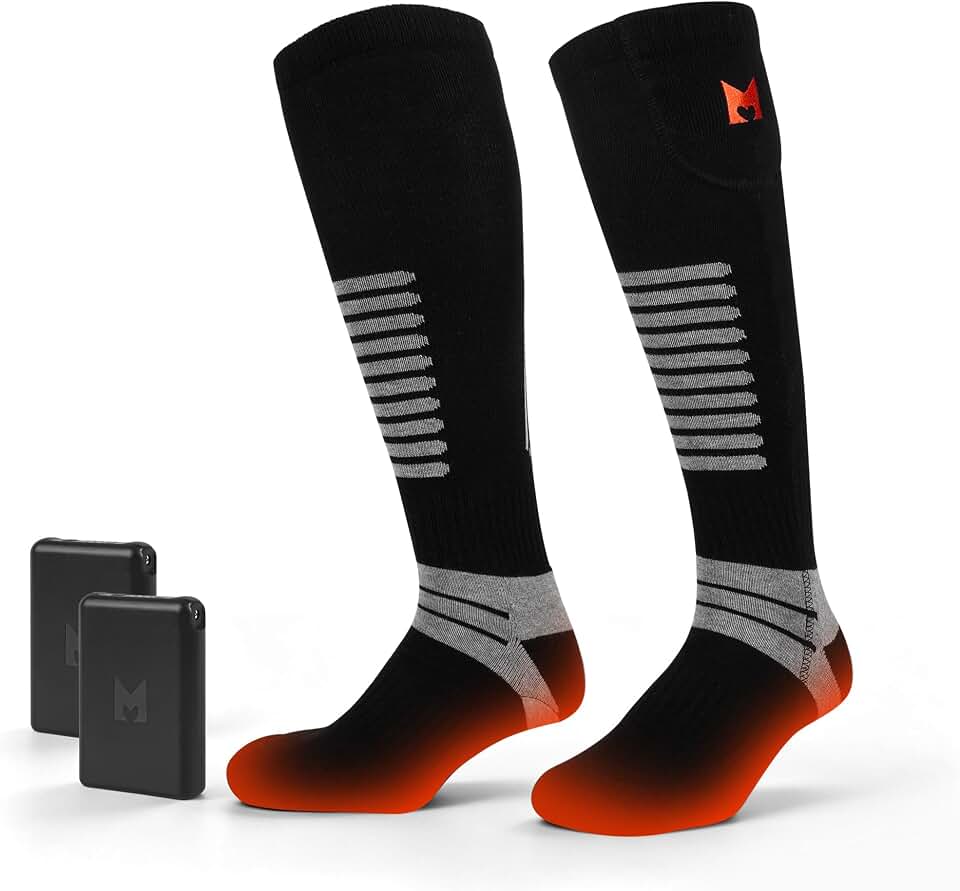
If you want targeted toe heating with a distinctive 360° design and a mid‑range price point, the following heated socks are worth considering.
