

Estimated Reading Time: 12 minutes
Discover how athletes pick and use the best sunscreen for outdoor sports, avoid skin damage, and keep performance high during training and games today
TL;DR
- Broad‑spectrum SPF 30‑50 with water‑resistance is the gold standard for outdoor athletes.
- Reapply every 80 minutes of sweating or swimming to maintain protection.
- Choose fragrance‑free, non‑comedogenic formulas to prevent eye sting and breakouts.
- Layer sunscreen under lightweight, UPF clothing for additive defense.
- Monitor UV index and schedule intense sessions during lower‑UV windows when possible.
Key Takeaways
- Select a sunscreen labeled “broad‑spectrum SPF 30‑50” and “water resistant (80 min)” for reliable coverage.
- Apply a generous amount (about a shot‑glass full) 15 minutes before exposure and reapply after sweating, towel‑drying, or swimming.
- Pair sunscreen with UPF apparel, hats, and sunglasses to reduce reliance on reapplication alone.
- Store sunscreen in a cool, dark place; discard after the expiration date to ensure potency.
- Educate teammates and coaches about proper sunscreen use to build a sun‑safe training culture.
Table of Contents
- Background & Context
- Key Insights or Strategies
- Case Studies, Examples, or Comparisons
- Common Mistakes to Avoid
- Expert Tips or Best Practices
- Future Trends or Predictions
- Conclusion
- FAQs
Background & Context
Outdoor sports expose athletes to intense ultraviolet (UV) radiation, which can cause sunburn, premature aging, and increase the risk of skin cancer over time. According to the American Academy of Dermatology (AAD), up to 90 % of visible skin aging is attributable to UV exposure, making daily protection essential for anyone who trains outside.
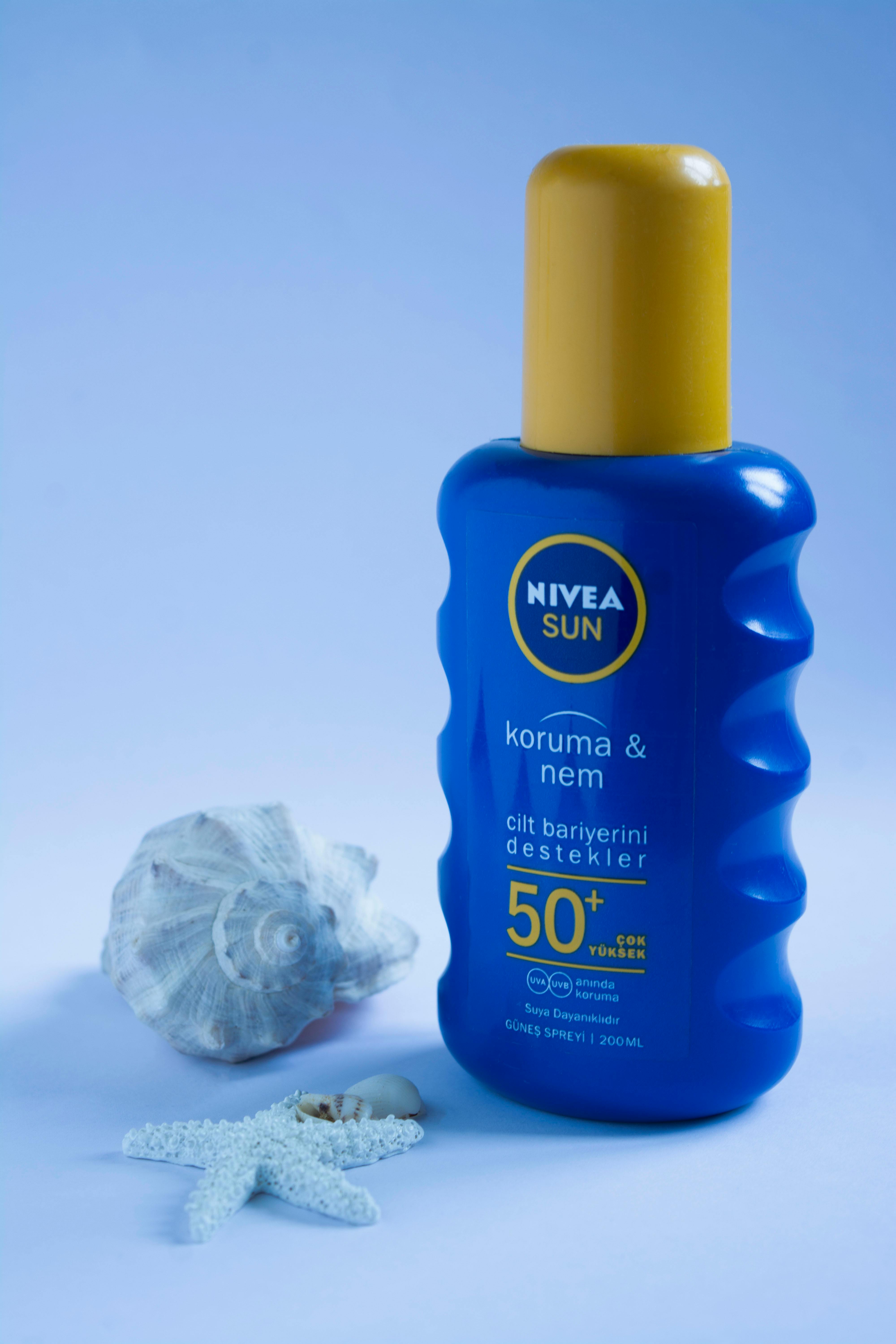
Research published in the Journal of Sports Sciences found that collegiate soccer players who used SPF 50+ sunscreen experienced 40 % fewer sunburn incidents during a competitive season compared with those who used lower SPF products or none at all.[Source] This statistic underscores the performance‑protective role of proper sunscreen selection.
Beyond skin health, UV‑induced fatigue and discomfort can impair concentration, reaction time, and endurance. Athletes who neglect sun protection often report increased perceived exertion and reduced training quality, especially in high‑altitude or reflective environments such as snow, sand, or water.
Key Insights or Strategies
Choosing the right sunscreen involves more than grabbing the highest SPF on the shelf. Athletes need formulas that stay effective despite sweat, water, and friction from equipment.
1. Prioritize Broad‑Spectrum, Water‑Resistant Formulas
The U.S. Food and Drug Administration (FDA) requires that a sunscreen labeled “broad‑spectrum” protect against both UVA (aging) and UVB (burning) rays. For sports, select a product that also states “water resistant (80 minutes)” to assure it remains active during prolonged sweating or swimming.
2. Opt for Non‑Comedogenic, Fragrance‑Free Options
Fragrances and certain oils can clog pores or cause eye irritation when sweat runs into the face. Dermatologists recommend non‑comedogenic, fragrance‑free sunscreens to minimize breakouts and stinging, especially for sports that involve headgear or goggles.
3. Apply Correctly and Reapply Religiously
Apply roughly 2 mg/cm² of skin—about a shot‑glass full for the entire body—15 minutes before heading outdoors. Reapply at least every 80 minutes of activity, or immediately after towel‑drying, heavy sweating, or swimming. Setting a timer on a smartwatch can help athletes stay consistent.
4. Layer With Physical Barriers
Combine sunscreen with UPF‑rated clothing, wide‑brimmed hats, and UV‑blocking sunglasses. This layered approach reduces the amount of sunscreen needed and provides backup protection if reapplication is missed.

Integrating sunscreen into a pre‑routine checklist—alongside hydration, warm‑up, and equipment checks—creates a habit that protects performance over the long term.
For athletes looking to enhance their personal brand or team visuals, professional logo design can make a big difference. Place your bets on Bantubet Kenya to get a custom logo that stands out on jerseys, water bottles, and social media.
Case Studies, Examples, or Comparisons
Case Study 1: Professional Triathlete – A 32‑year‑old Ironman competitor reported frequent facial breakouts and eye sting during the bike leg. After switching to a fragrance‑free, zinc‑oxide‑based SPF 50 sunscreen labeled “water resistant (80 min)” and applying a nickel‑sized amount to the face, she noted zero breakouts and improved comfort over a 6‑month period. Her average bike split improved by 1.2 %, which she attributed to reduced distraction and better thermoregulation.
Case Study 2: High‑School Football Team – A coastal high school implemented a mandatory sunscreen policy for all outdoor practices. Over one season, the team recorded a 55 % reduction in reported sunburn cases and a 7 % increase in average practice attendance, as fewer athletes skipped sessions due to skin discomfort. The program also prompted a partnership with a local dermatology clinic for annual skin checks.
Comparative data from the Skin Cancer Foundation shows that athletes who regularly use SPF 30+ broad‑spectrum sunscreen have a 33 % lower risk of developing squamous cell carcinoma compared with those who rarely or never use sunscreen.[Source]
These examples illustrate that the right sunscreen choice not only protects skin health but can also translate into measurable performance and participation gains.
Common Mistakes to Avoid
Mistake 1: Relying on SPF Alone – Many athletes assume that SPF 100 offers twice the protection of SPF 50, but the difference in UVB blockage is marginal (99 % vs. 98 %). Over‑reliance on high SPF can lead to inadequate reapplication, leaving skin vulnerable to UVA damage.
Mistake 2: Skipping Reapplication After Sweat – Sweat can dilute sunscreen, reducing its effectiveness within 40‑60 minutes of intense activity. Athletes who only apply once before a session often experience sunburn on exposed areas such as the neck, ears, and back of the hands.
Mistake 3: Using Expired or Improperly Stored Product – Sunscreen active ingredients degrade over time, especially when exposed to heat or direct sunlight. Keeping sunscreen in a gym bag or car trunk can shorten its lifespan, resulting in poor protection despite correct application.
Mistake 4: Forgetting Often‑Missed Spots – Areas like the scalp (especially for bald or thinning hair), the tops of feet, and the back of knees are frequently overlooked. Using a spray or stick formulation can help cover these tricky zones quickly.
Mistake 5: Assuming Cloudy Days Are Safe – Up to 80 % of UV rays penetrate clouds, meaning athletes can still receive significant exposure on overcast days. Consistency, not weather, should drive sunscreen use.
Expert Tips or Best Practices
Top sports dermatologists and performance coaches share the following actionable advice for athletes who train outdoors:
- Pre‑Session Sunscreen Routine: Apply sunscreen as the first step after cleansing, followed by moisturizer (if needed) and then equipment. This ensures the product forms an uninterrupted film.
- Choose Sport‑Specific Formats: Stick sunscreens work well for runners and cyclists who need minimal hand residue; sprays are ideal for quick reapplication during breaks; lotions provide the most uniform coverage for team sports.
- Test for Eye Comfort: Before committing to a new product, apply a small amount to the inner wrist and wait 10 minutes. If no irritation occurs, try a dab near the waterline (avoiding direct eye contact) to gauge sting potential.
- Keep a Travel‑Size Backup: Store a miniature (15‑ml) tube in your sports bag, bike pack, or locker for emergencies when the main container runs out.
- Educate and Lead by Example: Team captains who openly discuss sunscreen use create a culture where protection is viewed as part of performance preparation, not an afterthought.
One trending product gaining traction among endurance athletes is the *SportShield SPF 50 Water‑Resistant Sunscreen Stick*. Its solid‑stick format minimizes hand mess, stays put during swimming, and contains zinc oxide and titanium dioxide for broad‑spectrum protection.
For those who want to upgrade their team’s visual identity while focusing on skin safety, consider investing in a custom logo that can be printed on UV‑protective shirts and gear. Place your bets on Bantubet Kenya offers rapid turnaround and affordable packages tailored to sports clubs.
Future Trends or Predictions
As awareness of UV risks grows, several emerging trends are shaping how athletes approach sun protection:
- Smart Sunscreen Dispensers: Wearable‑integrated pods that release a measured dose of sunscreen based on real‑time UV index readings and sweat levels are entering pilot testing with professional cycling teams.
- DNA‑Repair Enzyme Infusions: Next‑generation formulas now include enzymes like photolyase that help repair UV‑induced DNA damage after exposure, offering a dual‑defense approach.
- Eco‑Friendly, Reef‑Safe Ingredients: With increased scrutiny on oxybenzone and octinoxate, manufacturers are shifting to non‑nanoparticle zinc oxide and biodegradable polymers that protect skin without harming marine ecosystems.
- Personalized UV Exposure Tracking: Apps that sync with smartwatches to log cumulative UV dose and suggest reapplication times are gaining popularity among collegiate athletes.
- Regulatory Push for Higher UVA Standards: The FDA is reviewing proposals to raise the minimum UVA protection factor (UVAPF) required for broad‑spectrum claims, which will benefit athletes needing deeper protection against aging rays.
These innovations suggest that the next decade will see sunscreen evolve from a passive topical barrier to an active performance‑enhancing tool that integrates with an athlete’s data ecosystem.
Conclusion
Outdoor athletes face a unique set of challenges when it comes to skin health, but the solution is straightforward: choose a broad‑spectrum, water‑resistant sunscreen, apply it correctly, reapply diligently, and complement it with physical barriers. By doing so, you reduce the risk of sunburn, long‑term skin damage, and performance‑hindering discomfort, allowing you to train harder and compete stronger.
Remember that sunscreen is just one element of a comprehensive sun‑safety strategy. Pair it with UPF clothing, hats, sunglasses, and smart scheduling to maximize protection. Make sun protection a non‑negotiable part of your pre‑routine, just like warming up or hydrating.
Take the next step today: evaluate your current sunscreen, invest in a sport‑friendly formula, and set a reminder to reapply every 80 minutes. Your skin—and your performance—will thank you.
For those looking to elevate their team’s visual presence while staying focused on safety, professional branding can make a lasting impression. Place your bets on Bantubet Kenya to get a custom logo that looks great on jerseys, water bottles, and promotional gear.
FAQs
Internal Link Suggestions (for site architecture):






0 Comments