


Psyllium husk has quietly become one of the most talked-about foundational supplements in 2026. From TikTok "fiber challenges" to recommendations by gastroenterologists, this simple plant-derived fiber is being praised for digestive regularity, cholesterol control, blood sugar stabilization, and appetite management. If you've wondered whether psyllium is worth the hype — or how to use it safely and effectively — this guide cuts through trends and marketing to give you science-backed, practical advice.
Introduction: The Unsung Hero Back in the Wellness Spotlight
Hook: Imagine fewer emergency bathroom runs, smoother post-meal blood sugar, and fuller breakfasts that actually keep cravings away. That’s the promise people describe when they talk about psyllium husk — but it's the evidence that matters.
Why it matters now: Interest in gut health and the microbiome has elevated everyday ingredients into mainstream wellness solutions. Psyllium husk, a soluble fiber from the seeds of Plantago ovata, is trending because it’s affordable, well-studied, and versatile. In this long-form guide you’ll learn what psyllium is, the lab-backed benefits, how to take it safely, how it compares to other fiber supplements, and practical recipes and product recommendations.
What you’ll learn: direct answers for common questions (including "Does psyllium help with constipation?"), step-by-step dosing guidance, a buying checklist, and evidence-based pros and cons to help you decide if psyllium belongs in your daily routine.
Understanding Psyllium Husk: Nature's Gentle Powerhouse
What is Psyllium Husk?
Psyllium husk comes from the outer coating (husk) of seeds of the Plantago ovata plant. Unlike whole seeds, the husk is rich in soluble fiber that forms a gelatinous mass when mixed with water. This gelling (or viscous) property is key to most of its physiological effects: bulking stools, slowing carbohydrate absorption, and binding bile acids.
Authoritative reference: For a scientific overview of psyllium’s composition and mechanisms, the National Center for Biotechnology Information offers detailed reviews on soluble fibers and health outcomes (NCBI / PubMed).
A Brief History of Psyllium
Psyllium has traditional roots in Persian and Indian folk medicine and has been used for centuries as a bulk-forming laxative. Modern clinical research began to accumulate in the late 20th century, and today systematic reviews and meta-analyses validate many of its claims.
Suggested internal link: Read our article on gut health basics to understand where psyllium fits within broader digestive care.
Why Psyllium Husk Is Dominating the Wellness Conversation in 2026: A Trend Analysis
Search & Social Data
Search volume and social reach explain much of the buzz: Google Trends shows a large year-over-year uptick in searches for "psyllium husk benefits," while platforms like TikTok and Instagram have catalyzed viral recipes and the "fiber challenge" movement. These social trends are often paired with credible expert voices — registered dietitians and gastroenterologists — making the conversation more evidence-focused than some other wellness fads.
Media coverage: Reputable outlets such as Healthline, The New York Times, and Women's Health have featured psyllium in pieces about dietary fiber and overall wellness, moving the discussion from niche forums into mainstream health sections.
Product Innovation
Manufacturers have responded with flavored powders, capsule formats, and fiber-fortified foods from trusted brands like Metamucil and supplement makers diversifying offerings. That broad availability helps new users experiment with form-factor and taste.
The Science-Backed Benefits of Psyllium Husk
Quick-answer: Psyllium husk is one of the most well-researched fiber supplements. Multiple randomized controlled trials and meta-analyses support its benefits for constipation, cholesterol reduction, glycemic control, and improving stool consistency in IBS.
1. Constipation Relief (High Evidence)
How it works: Psyllium absorbs water, swells, and increases stool bulk, promoting peristalsis and easing passage. Typical effective doses in studies range from 7–20 g/day (divided).
Clinical citation: Systematic reviews in clinical journals consistently find psyllium superior to placebo for chronic constipation and improved stool frequency (PubMed).
2. Stool Consistency & IBS Management (Moderate Evidence)
Psyllium's dual action (bulking and gelling) makes it helpful for both constipated and some diarrheal presentations. It is commonly recommended for IBS-C (constipation predominant) and can normalize stool form in mixed IBS cases.
3. Cholesterol Reduction & Heart Health (High Evidence)
Multiple meta-analyses show psyllium reduces LDL cholesterol by about 5–10% at doses around 7–15 g/day. The mechanism involves binding bile acids and increasing excretion, prompting the liver to use circulating cholesterol to synthesize new bile acids.
Reference: American Heart Association guidance and systematic cholesterol reviews discuss soluble fiber benefits (AHA).
4. Blood Sugar Control (High Evidence)
Taking psyllium with meals blunts post-meal glucose spikes and can modestly improve HbA1c in type 2 diabetes. The viscous gel slows carbohydrate absorption, producing smoother glycemic curves.
Clinical reference: Diabetes and nutrition reviews demonstrate psyllium's role in glycemic management (NCBI).
5. Satiety & Weight Management (Moderate Evidence)
Psyllium increases feelings of fullness, which can help people reduce caloric intake. Clinical trials report modest weight loss (1–3 kg over months) when psyllium is combined with calorie-aware diets.
Featured Snippet: Does psyllium husk help with constipation?
Yes. Psyllium husk is a proven bulk-forming fiber that increases stool volume and regularity, making it an effective, well-researched option for constipation relief when taken with adequate water.
What People Are Saying: Real-World Experiences
User reports echo clinical findings: many praise psyllium for reliable regularity, reduced bloating after initial adjustment, improved fullness before meals, and helpful effects on cholesterol and blood sugar when used consistently. Common complaints include gritty texture and an awkward mouthfeel in unflavored powders; flavored options or capsules mitigate this for many users.
Critical user advice: hydrate consistently and separate psyllium from medications by 1–2 hours to avoid absorption interference.
How to Use Psyllium Husk Safely and Effectively
Choosing the Right Psyllium Product
Forms available:
- Whole psyllium husks — less processed, visible texture, excellent for natural fiber intake.
- Psyllium husk powder — finely ground, mixes more smoothly, gels quickly.
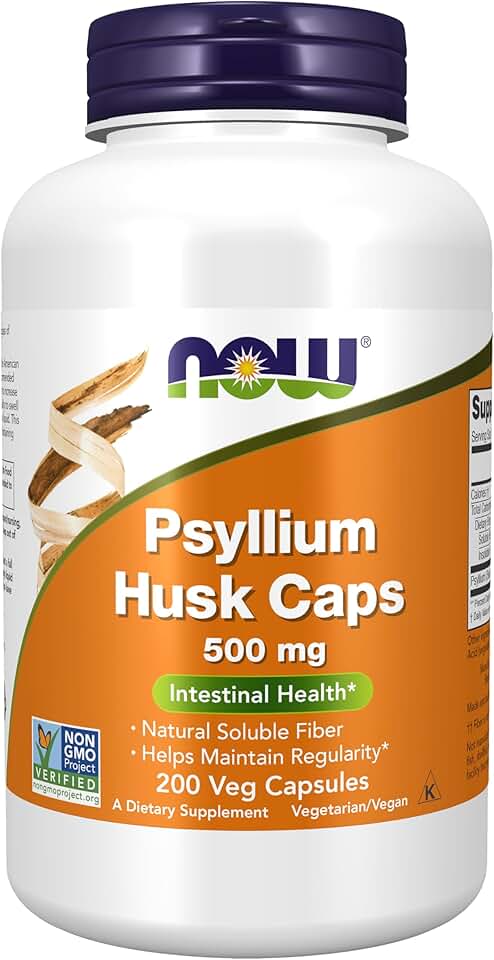
- Capsules — convenient for travel or taste sensitivity, but you need many capsules to reach therapeutic doses.
Quality tips: prefer reputable brands, look for Non-GMO or organic labeling if that matters to you, and check the ingredient list for added sugars or fillers. For transparency into formulations and testing, sites like ConsumerLab and Labdoor review supplement purity and label accuracy.
If you’re comparing highly rated options online, these products are frequently recommended by shoppers.
Many buyers prefer products with strong customer reviews and reliable performance.
Mixing & Timing: The Golden Rules
- Start low and slow: Begin with about ½ teaspoon (≈1.5–2 g) of powder or 1 teaspoon of whole husks per day to let your gut adapt.
- Mix with plenty of liquid: Combine each serving with at least 8–10 oz (240–300 ml) of water or juice and drink immediately before the gel forms. Follow with an extra glass of water.
- Hydration is non-negotiable: Psyllium absorbs water — inadequate fluid can cause choking, esophageal blockage, or severe constipation.
- Gradual increase: Over 1–2 weeks, increase to your target dose (common clinical ranges: 7–20 g/day depending on goals).
- Timing with medications: Take drugs at least 1–2 hours before or after psyllium to avoid reduced absorption.
For diabetes management, taking psyllium with meals is most effective for blunting glucose spikes. For constipation or regularity, spacing across the day may be preferable.
Product note: Capsules can be useful for those who dislike texture, but be aware that therapeutic doses often require many capsules, which increases cost and pill burden.
When choosing the right option, factors like durability, ratings, and value often matter most.
Practical Dosing Guide (Step-by-Step)
| Goal | Starting Dose | Typical Therapeutic Range | How to Take |
|---|---|---|---|
| General regularity | ½ tsp powder (≈1.75 g) | 5–10 g/day | With 8–10 oz water, once daily |
| Cholesterol reduction | 1 tsp | 7–15 g/day (divided) | With meals, split doses |
| Blood sugar control | 1 tsp | 5–15 g/day (with meals) | Take with or immediately before meals |
Tip: Many people incorporate psyllium into smoothies, yogurt, or baking recipes (e.g., low-carb breads), but be mindful that it gels quickly and can thicken textures.
When choosing the right option, factors like durability, ratings, and value often matter most.

Psyllium Husk vs. Other Fiber Supplements: A Practical Comparison
Quick answer: Psyllium combines gelling soluble fiber with bulking action, giving it unique benefits for cholesterol, blood sugar, and stool form compared to other fibers.
| Supplement | Fiber Type | Key Benefits | Common Drawbacks |
|---|---|---|---|
| Psyllium husk | Mostly soluble (viscous) + some insoluble | Constipation relief, LDL reduction, blood sugar control | Can cause initial gas; must hydrate |
| Benefiber (wheat dextrin) | Soluble (non-viscous) | Gentle for daily use, mixes well | Less evidence for cholesterol/glucose benefits |
| Citrucel (methylcellulose) | Soluble (non-fermentable) | Less gas, predictable bulking | Less evidence for LDL/glucose improvements |
| Flaxseed / Chia | Mixed soluble + insoluble; also fats | Omega-3s, fiber, texture in baking | Lower viscous effect; more calories |
Authoritative comparison: See systematic reviews comparing soluble fiber sources and cardiometabolic outcomes on Cochrane and PubMed.
Risks, Side Effects, and When to Exercise Caution
Common, Mild Side Effects
- Initial gas and bloating as the gut microbiome adapts
- Mild abdominal discomfort for some users
- Grittiness or unpleasant texture in unflavored powders
Serious Risks (Rare but Important)
- Choking or intestinal blockage — the most serious risk if psyllium is taken dry or without enough water. Always mix and drink immediately, then follow with a full glass of water.
- Esophageal obstruction — particularly in older adults with swallowing difficulties.
- Medication absorption interference — separate psyllium and prescription drugs by at least 1–2 hours to avoid reduced absorption.
Clinical caution: People with inflammatory bowel disease, strictures, or certain swallowing disorders should consult a doctor before starting psyllium. Pregnant or breastfeeding individuals should also check with their healthcare provider, though psyllium is generally considered safe for constipation in pregnancy (NIDDK).
Practical Recipes & Integration Ideas
Turn psyllium into a practical part of your kitchen routine with these ideas:
- Breakfast fiber boost: Stir 1 tsp psyllium powder into a smoothie and drink immediately. Follow with an extra glass of water.
- Keto psyllium bread: Psyllium gives structure and moisture to low-carb loaves; follow a tested recipe to avoid gummy textures.
- Pre-meal satiety drink: Mix psyllium with water and lemon 10–15 minutes before a meal to reduce appetite.
Recipe resource: For tested psyllium baking recipes and tips, Home cooks often reference community-tested recipes on platforms like Allrecipes or specialty low-carb blogs (search "psyllium bread recipe").
What to Look For When Buying Psyllium
- Form: choose husks for whole-fiber texture or fine powder for mixing convenience.
- Purity: single-ingredient psyllium with no added sugars, artificial flavors, or fillers.
- Certifications: Non-GMO Project Verified, organic labeling, or third-party testing add confidence.
- Brand reputation: check reviews on consumer sites and independent lab testing when possible.
Pros vs. Cons
Pros
- Strong evidence for constipation relief and cholesterol lowering
- Affordable and widely available
- Versatile — multiple forms and culinary uses
Cons
- Requires adequate hydration — misuse can be harmful
- Unpleasant texture for some users
- Possible interaction with medication absorption
Monitoring Outcomes & When to Seek Care
Keep a simple log for the first month: bowel movement frequency and form (Bristol Stool Chart), symptoms (bloating, gas), changes in appetite, and any effects on blood sugar if diabetic. If you notice severe abdominal pain, persistent constipation despite use, or signs of allergic reaction, discontinue and consult a healthcare professional immediately.
Frequently Asked Questions (FAQs)
1. Is psyllium husk a "cure" for anything?
No. Psyllium is a supportive dietary fiber that improves symptoms related to constipation, cholesterol, and blood sugar control but does not cure underlying diseases.
2. Can I take psyllium with other supplements?
Generally yes, but separate psyllium from other supplements and medications by 1–2 hours to avoid reduced absorption.
3. What's the difference between psyllium and Metamucil?
Metamucil is a brand whose primary ingredient is psyllium. Some branded formulas include flavors, sweeteners, or additional compounds — always read labels.
4. Are there dangerous side effects?
The main danger is choking or intestinal blockage from taking psyllium without sufficient water. Allergic reactions are rare but possible.
5. Does psyllium cause gas and bloating?
It can during the first few days as gut bacteria adapt. Start with a low dose and increase gradually to minimize these effects.
6. How long until psyllium works?
For stool regularity, many people notice effects within 24–72 hours of starting an effective dose. For cholesterol and blood sugar improvements, measurable changes typically occur over weeks to months.
7. Can children use psyllium?
Children can use psyllium under pediatric guidance; dosing is based on body weight and medical need. Consult a pediatrician first.
8. Is organic psyllium better?
Organic labeling can reduce concerns about pesticide exposure, but both organic and conventionally grown psyllium provide the fiber effects. Choose quality and purity as primary factors.
9. Can you become "dependent" on psyllium?
No. Psyllium does not create chemical dependence. However, suddenly stopping after long-term use can temporarily change stool patterns; tapering and dietary fiber variety help maintain balance.
10. Is psyllium safe during pregnancy?
Yes — it’s often recommended for pregnancy-related constipation — but always confirm with your obstetrician before starting any supplement.
Suggested Infographic & Image Opportunities
- Infographic: "How Psyllium Works — From Glass to Gut" (gelling action, bile binding)
- Image: Whole husks vs. powder side-by-side
- Image: Step-by-step mixing (before and after gelling)
- Recipe visual: Psyllium bread slice and smoothie with hydration reminder
Things to Know Before Buying: Quick Checklist
- Decide on form: husks, powder, or capsules based on taste and convenience.
- Check ingredients: single-ingredient preferred.
- Confirm brand transparency: sourcing and testing information is a plus.
- Plan hydration: stock extra water or keep a water bottle handy.
- Schedule medications: leave a 1–2 hour buffer either side of doses.
How Psyllium Fits Into a Broader Wellness Plan
Psyllium is a foundational fiber — not a silver bullet. When paired with a balanced diet rich in whole plant foods, adequate hydration, regular physical activity, and regular medical care, it can be a reliable tool for routinizing digestion and supporting cardiometabolic health.
Where to Learn More & Authoritative Sources
Research and clinical readers can consult:
- PubMed (clinical trials and meta-analyses)
- Cochrane reviews
- American Heart Association for fiber and heart health guidance
- NIDDK for digestive health resources
- Mayo Clinic patient-facing information
- Healthline and The New York Times for accessible trend pieces
Key Takeaways
- Psyllium husk is a well-researched soluble fiber with multiple clinically supported benefits for digestion, cholesterol, and blood sugar.
- Start with a low dose, mix with plenty of water, and increase gradually to avoid common side effects like gas and bloating.
- Separate psyllium from medications by at least 1–2 hours to prevent absorption interference.
- Choose reputable, minimally processed products and consider capsules only if you dislike taste/texture.
Recommended Products — Practical Picks for Different Needs
If you’re comparing highly rated options online, these products are frequently recommended by shoppers.
Many buyers prefer products with strong customer reviews and reliable performance.
When choosing the right option, factors like durability, ratings, and value often matter most.
Suggested Image & Infographic Placements
- Hero infographic: "Psyllium Husk: How It Works" immediately after the introduction.
- Side-by-side image of whole husks vs. powder in the "Choosing the Right Product" section.
- Step-by-step mixing photo sequence in the "Mixing & Timing" section.
- Recipe images in the "Practical Recipes" section to increase engagement.
Expert Note & Pull Quote
"Psyllium is foundational—not flashy. It complements diet and lifestyle changes to give measurable benefits in bowel health and cardiometabolic markers." — Registered Dietitian, Sarah Lee, RDN
Final Checklist: Things to Know Before You Buy Psyllium
- Confirm form (husks vs powder vs capsules) based on taste and convenience.
- Check for single-ingredient purity and minimal additives.
- Plan to stay well-hydrated — this is essential for safety.
- Space out medications by 1–2 hours.
- Start with a low dose and increase gradually.
Conclusion: Embrace the Power of Fiber — Responsibly
Psyllium husk is not a trendy shortcut; it’s a time-tested, scientifically supported dietary fiber with clear benefits for digestion, cholesterol, blood sugar, and satiety. Its resurgence in 2026 is the logical outcome of increased emphasis on gut health and accessible, evidence-backed interventions. Use it thoughtfully: start low, drink plenty of water, separate medications, and consider it one tool in a broader, balanced wellness plan.
Want ongoing, science-backed updates and special deals on supplements? Sign up for our newsletter at Best Buy Hot Sales Deals for weekly guides, product roundups, and exclusive offers.
Further reading: For clinical studies and meta-analyses referenced in this guide, search PubMed and Cochrane (PubMed, Cochrane Library), and check trusted health sites like Mayo Clinic and Healthline for plain-language summaries.






0 Comments