

The core question readers face is straightforward: can Tongkat Ali (Eurycoma longifolia) meaningfully affect testosterone, libido, mood, or recovery—and is it safe to try? This article summarizes clinical evidence, regulatory safety signals, practical dosing used in trials, and a clear product‑selection checklist so you can decide whether to try a Tongkat Ali supplement and how to pick one responsibly.
Quick answer
Short-term randomized trials and a 2022 meta-analysis report that Tongkat Ali can raise serum total testosterone in men—especially those with low baseline levels—but the European Food Safety Authority (EFSA) concluded safety has “not been established” for a tongkat ali root extract and raised genotoxicity concerns. If you proceed, choose a standardized, third‑party tested product and consult a clinician when you have health conditions or take medications. (Leisegang et al., 2022; EFSA, 2021.)
How to use this guide
This article follows the decision journey: understand what Tongkat Ali is, evaluate the evidence and safety, compare extracts and options, and decide how to pick a quality product. Evidence and regulatory links are included so you can verify key claims.
What is Tongkat Ali (Eurycoma longifolia)?
Tongkat Ali (botanical name Eurycoma longifolia, often called “longjack”) is a Southeast Asian tree whose root extracts are marketed as dietary supplements. Commercial forms include whole‑root powders, alcohol or water extracts, and proprietary standardized extracts (for example, Physta® and LJ100). Standardization often references a marker compound such as eurycomanone, but labels and standardization methods vary by brand and product.
If you want source-level detail on clinical trials and extract names, see the Physta® randomized trial and the meta-analysis cited below. (Physta® trial, 2021; Leisegang et al., meta-analysis, 2022.)
What the clinical evidence shows (brief)
Answer first: Pooled randomized trials indicate Tongkat Ali can increase serum total testosterone in men, and some trials report improvements in libido or perceived quality of life. The effects are generally short‑term (weeks to a few months) and appear larger in men with lower baseline testosterone. However, trials use different extracts, doses, and outcome measures, which limits generalizability. (Leisegang et al., 2022.)
Key evidence highlights
- Meta‑analysis: A 2022 systematic review and meta‑analysis pooled randomized controlled trials and reported a statistically significant pooled increase in total serum testosterone with Eurycoma longifolia supplementation. (Leisegang et al., 2022.)
- Physta® RCT: A randomized, double‑blind, placebo‑controlled multicentre trial using a standardized aqueous extract (Physta®) reported increases in total testosterone and some improvements in quality‑of‑life measures at the doses studied. (Chinnappan et al., 2021.)
- Mood and stress: Smaller RCTs (e.g., Talbott et al., 2013) found reduced perceived stress and lowered cortisol in moderately stressed subjects at ~200 mg/day over a short period. (Talbott et al., 2013.)
Trials, typical doses, and what they measured
| Trial | Extract | Dose (typical) | Duration | Key outcome |
|---|---|---|---|---|
| Leisegang et al. (meta-analysis) | Various RCT extracts pooled | Varied (100–400 mg/day common) | Multiple RCTs (4–12 weeks typical) | Pooled increase in total testosterone; heterogeneity across trials. (2022) |
| Chinnappan et al. (Physta® RCT) | Physta® (standardized aqueous extract) | 100–200 mg/day (per study arms) | 12 weeks | Significant increases in total testosterone vs placebo; some QoL improvements. (2021) |
| Talbott et al. | Water‑soluble extract | 200 mg/day | 4 weeks | Reduced cortisol and improved mood scores in moderately stressed adults. (2013) |
Safety, side effects, and regulatory flags
Short answer: short-term use in trials was generally tolerated, but authoritative regulatory review raised unresolved safety concerns.
EFSA (2021) concluded that the safety of a tongkat ali root extract as a novel food “has not been established” and highlighted potential genotoxicity findings that require more data. This is a regulatory safety flag—it does not prove human harm at consumer doses, but it does mean long‑term safety data and additional toxicology are required for decisive clearance. (EFSA, 2021.)
Reported adverse events: Trial reports and clinical databases summarize mostly mild, short‑term adverse effects such as insomnia, irritability/restlessness, gastrointestinal upset, and itching. A small number of case reports describe rare hepatotoxicity temporally associated with use; these are illustrative signals rather than proof of a causal relationship. See the LiverTox summary for an authoritative compilation of reported events. (LiverTox; case report, 2023.)
Product quality and contamination: Independent laboratory work using HPLC and DNA barcoding documented mislabeling, variable eurycomanone content, and occasional contaminants in commercial products. These findings support the practical need to prefer products that offer third‑party certificates of analysis (COAs) for identity and heavy‑metal testing. (Abubakar et al., 2018.)
Interactions: In vitro studies report limited direct CYP inhibition by eurycomanone, suggesting a low potential for major CYP‑mediated drug interactions, but clinical relevance is uncertain and interaction risk cannot be ruled out—so consult a clinician if you are on prescription medications. (in vitro CYP data.)
- People with known liver disease or abnormal liver tests—consult a clinician before use.
- Those taking prescription medications—especially immunosuppressants, antidiabetic medications, or drugs with narrow therapeutic windows—get medical advice.
- People with hormone‑sensitive cancers (e.g., prostate or breast cancer), pregnant or breastfeeding people—avoid use unless directed by a clinician. (Medscape reference.)
Who is most likely to benefit — and who should not
Available evidence suggests the largest and most consistent hormonal effects occur in men with low baseline testosterone. For healthy men with normal testosterone, effects are smaller and less consistent. Evidence in women, older adults with comorbidities, and long‑term outcomes is limited.
- Likely to benefit (based on trials): men with lower baseline testosterone or those reporting low libido or decreased energy in short‑term studies. (meta-analysis.)
- Less clear / not established: long‑term benefit, women, and people with significant comorbidities—evidence gaps remain.
How to choose a Tongkat Ali supplement — an actionable checklist
The most important shopping step is to map what trials used to what the product offers. Use this checklist before buying:
- Check the extract name and standardization. Prefer products that name a standardized extract used in trials (e.g., Physta®) or state eurycomanone percentage. Trial evidence is extract‑specific—labels that provide a clear extract name or marker are easier to compare to RCTs. (Physta® trial.)
- Require third‑party testing / COA for identity and contaminants. Look for an accessible certificate of analysis that includes identity (HPLC or similar), heavy metals, and microbiology. Independent analyses have found mislabeling and contaminants in some products. (Abubakar et al., 2018.)
- Match the dose to what clinical trials used. Most RCTs used total daily doses commonly near 200 mg (trial range ~100–400 mg/day). If a product’s serving provides substantially less, it will not match trial dosing. (See trial table above.)
- Avoid undisclosed blends or hidden actives. Choose single‑ingredient labels that list full contents and amounts per serving. Independent product testing sometimes finds undeclared compounds in multi‑ingredient products.
- Prefer manufacturers that publish COAs and contact information. Transparency about sourcing, extraction method, and testing reduces risk.
Practical shopping note: At minimum, check the product page for (1) the extract name / standardization marker, (2) an available COA or independent lab report, and (3) the total daily dose per serving to match trial ranges. Because product quality varies across the market, this step is essential for safety and to replicate trial conditions.
Affiliate disclosure: Best Buy Hot Sales Deals may earn a commission from qualifying purchases made through links on this page, at no additional cost to you.
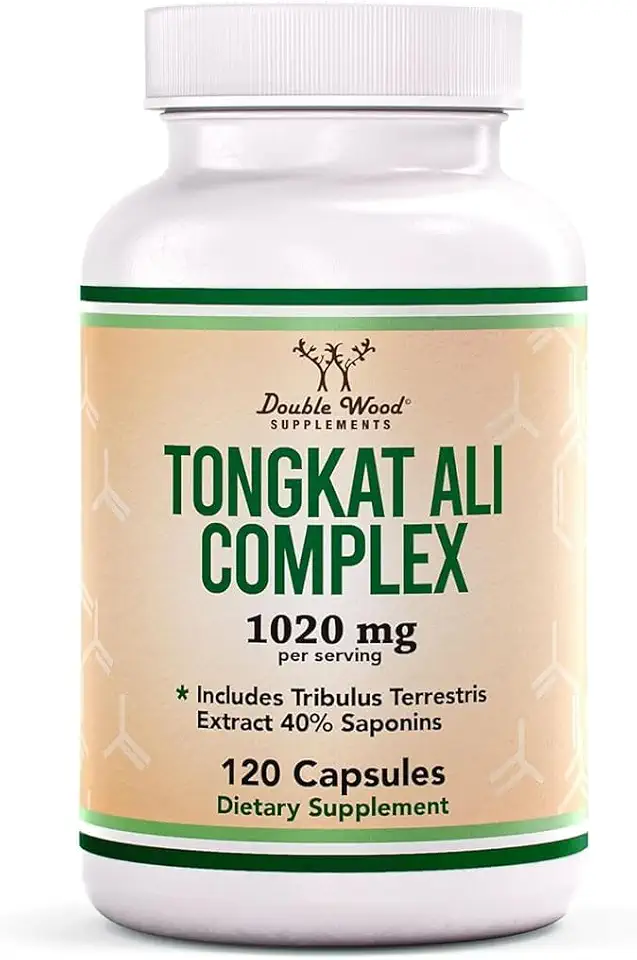
If your priority is a higher‑potency, widely marketed capsule that lists a strong per‑bottle potency and aims to match common trial dosing, this option is worth considering because it offers 120 capsules and a high‑potency per‑serving claim for general support. At the time this article was prepared, the listed price was $20.95 and the supplied listing showed a 4.4‑star rating.
Compare extracts and product options
Not all Tongkat Ali products are the same. Branded standardized extracts used in trials (e.g., Physta®) are easier to compare to clinical evidence. Generic powdered extracts may vary in marker content and purity. Independent lab testing has found variable contents across commercial products, so extract name and COA matter more than price alone.
If you want a lower‑cost or gluten‑free option that emphasizes basic ingredient labeling and minimal excipients, consider a product that lists clear ingredient quantities and states gluten‑free manufacturing. At the time this article was prepared, the listed price for the example below was $18.95 and the supplied listing showed a 4.5‑star rating.
Product context: If your buying priority is a straightforward, single‑ingredient supplement with a clear label and a gluten‑free claim, this product may appeal because it emphasizes ingredient simplicity and allergen information.

Practical dosage and how trials used Tongkat Ali
What trials used: typical controlled trials used standardized extracts at total daily doses most commonly in the ~100–400 mg/day range, with many RCTs around 200 mg/day and durations from four to 12 weeks. Use this as a reference when comparing product labels—ensure the product delivers an evidence‑comparable daily dose when taken as recommended. (Physta® trial; Talbott et al., 2013.)
Caution: long‑term safety beyond the short durations of available RCTs is not established, and EFSA explicitly stated safety has not been established for a tongkat ali root extract. Limit prolonged unsupervised use and consult your clinician for ongoing supplementation beyond trial‑length periods. (EFSA, 2021.)
If you prefer a gender‑marketed or lower‑dose specialty product
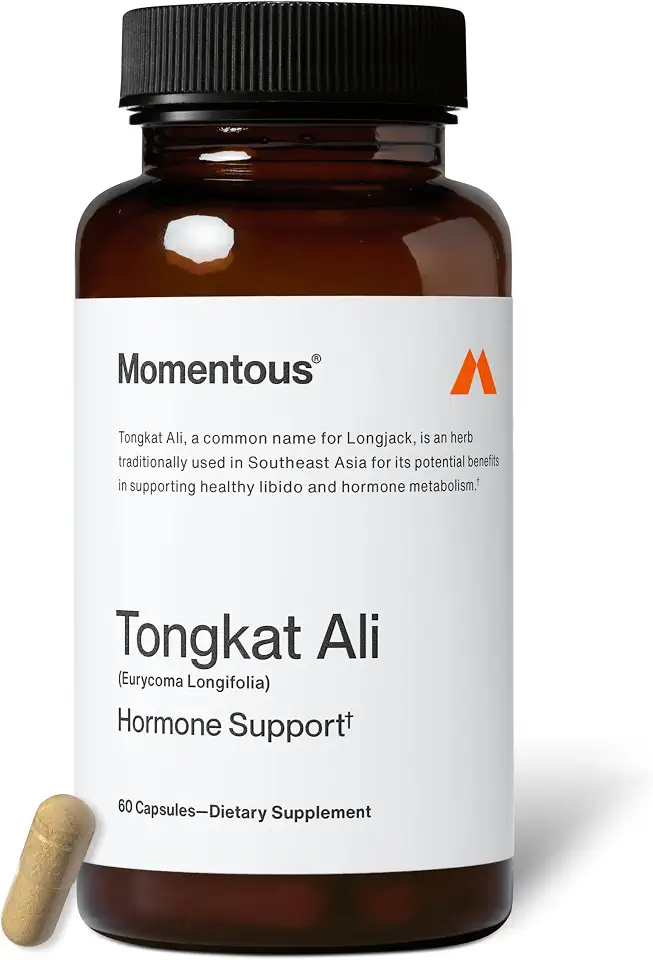
Some products are marketed specifically for women or for combined formulas advertised for both sexes; these sometimes use different labeling or serving sizes. If your priority is a product explicitly marketed for women & men with a defined per‑serving dose (for example, 400 mg per serving), consider a brand that provides transparent testing and manufacturer contact info. At the time this article was prepared, the listed price for the example below was $19.99 and the supplied listing showed a 4.4‑star rating.
Product context: Consider this option if you want a product that presents a clear per‑serving milligram amount and is positioned for both sexes; still check COA and match total daily dose to trial ranges.
Alternatives and when to consider medical care
If your concern is clinically low testosterone (hypogonadism) confirmed by blood tests and symptoms, medical testosterone replacement therapy (TRT) is the evidence‑based treatment and should be discussed with a clinician. Supplements may provide modest short‑term increases in serum total testosterone for some men, but they are not a substitute for clinically supervised hormone therapy where indicated. (Leisegang et al., 2022.)
Other OTC options with some evidence for libido or energy include certain lifestyle interventions (weight loss, sleep optimization, resistance training) and, for some users, other evidence‑backed supplements—however, each choice requires its own evidence review and safety checks. If you have symptoms of low testosterone or are on medications, consult a clinician before starting supplements.
Frequently asked questions
Will Tongkat Ali increase my testosterone?
Short answer: Trials and a 2022 meta‑analysis indicate Tongkat Ali can increase serum total testosterone in men, with the clearest effects in men who start with lower baseline levels. Results vary by extract, dose, and trial quality. (Leisegang et al., 2022.)
Is Tongkat Ali safe for long‑term use?
Short answer: Long‑term safety is not established. The EFSA scientific opinion (2021) concluded that the safety of a tongkat ali root extract as a novel food “has not been established” and highlighted potential genotoxicity concerns—this is an unresolved regulatory safety flag and argues for caution with prolonged unsupervised use. (EFSA, 2021.)
How should I choose a safe Tongkat Ali supplement?
Answer: Prefer products that (1) name a standardized extract or state eurycomanone %; (2) publish a third‑party COA covering identity and heavy metals; (3) provide a total daily dose comparable to trial ranges (commonly ~200 mg/day where used); and (4) avoid undisclosed blends or proprietary complexes with hidden amounts. Independent lab testing has documented mislabeling in some products, which makes COAs important. (Abubakar et al., 2018.)
Can women take Tongkat Ali?
Evidence for women is limited. Some products are marketed to both sexes, but most clinical trials focused on men. If you are female and considering Tongkat Ali—especially if pregnant, breastfeeding, or with hormone‑sensitive conditions—consult a clinician before use. (meta-analysis.)
What dose should I take?
Most clinical trials used total daily doses in the ~100–400 mg range, with many trials around 200 mg/day. Match the product’s recommended total daily intake to the trial range if you aim to replicate evidence conditions. Do not exceed labeled dosing and consult a clinician for personalized guidance. (Physta® trial.)
Can Tongkat Ali damage the liver?
Serious liver injury reports are rare but exist as case reports; most trialed adverse events are mild. The LiverTox database summarizes reported liver events and the EFSA opinion raises other safety questions. If you have liver disease or abnormal liver tests, avoid use until you consult a clinician. (LiverTox; case report, 2023.)
Will Tongkat Ali interact with my medications?
In vitro data suggest limited CYP inhibition by eurycomanone, but clinical interaction data are lacking. If you take prescription medications—particularly immunosuppressants, antidiabetic drugs, or others with narrow therapeutic windows—consult a clinician before starting Tongkat Ali. (in vitro CYP study.)
How soon might I notice effects?
Some trials report changes in hormones or mood within 4–12 weeks. Individual responses vary and depend on baseline status, extract quality, dose, and adherence. Use the trial durations as a reference point for realistic expectations.
How can I verify a product’s COA?
Look for a downloadable COA on the product or manufacturer website showing tests for ingredient identity (HPLC or similar), heavy metals, and microbial contaminants. If a COA is not publicly available, contact the manufacturer and request one before purchase. Independent testing has shown variability in commercial products, so demand transparency. (Abubakar et al., 2018.)
Is Tongkat Ali better than testosterone replacement therapy (TRT)?
No—TRT is a prescription medical treatment for confirmed hypogonadism with established monitoring protocols. Tongkat Ali is an over‑the‑counter supplement that may modestly increase serum testosterone in some men; it is not a substitute for medically indicated TRT. Discuss diagnostic testing and treatment options with a clinician. (Leisegang et al., 2022.)
Conclusion — how to proceed safely
Tongkat Ali is supported by short‑term randomized trials and a 2022 meta‑analysis showing increases in serum total testosterone in men, particularly those with low baseline levels. However, EFSA concluded that safety for a tongkat ali root extract has not been established and flagged genotoxicity concerns; independent lab analyses also document product variability and occasional adulteration. Weigh potential short‑term hormonal and mood benefits against safety uncertainties.
If you decide to try Tongkat Ali:
- Discuss it with your clinician if you have health conditions or take medications.
- Choose products that name the extract or state standardization (e.g., Physta®) and publish a COA covering identity and heavy metals.
- Match total daily dose to the trial ranges (commonly ~200 mg/day) and limit use to trial‑length durations initially while monitoring effects.
- Check the current listing for the latest price and COA before you buy—product formulations and lab tests can change. (Abubakar et al., 2018; EFSA, 2021.)
For detailed trial evidence, regulatory context, and independent product‑testing reports, see the cited sources: the Leisegang meta-analysis (2022), the Physta® randomized trial (2021), EFSA's 2021 opinion (2021), the product‑adulteration study (Abubakar et al., 2018), and the LiverTox summary (NIH LiverTox).






0 Comments