


If you’ve ever wondered whether sweatpants belong in your remote‑work wardrobe, how to pick a pair that won’t shrink after the first wash, or which style works best for travel, you’re not alone. Shoppers today look for comfort that doesn’t sacrifice versatility, and sweatpants sit at the intersection of loungewear, athleisure, and everyday casual dress. This guide walks you through what sweatpants are, the key features that matter most, how to care for them, and how to style them for different situations—so you can choose a pair that fits your lifestyle and budget.
Affiliate Disclosure
We may earn a commission from qualifying purchases made through the affiliate links in this article at no additional cost to you. This helps support the site and allows us to keep providing free, helpful content. Our recommendations are based on the information provided by manufacturers and publicly available data; we do not claim to have personally tested any product unless explicitly noted.
I. What Are Sweatpants?
Sweatpants are soft, casual trousers originally designed for athletic or leisure wear. According to the Wikipedia entry, they are commonly called “tracksuit bottoms,” “joggers,” or simply “sweats” depending on the region. Their core characteristics include an elastic or drawstring waist, ribbed or open cuffs, and a brushed interior that provides warmth and comfort.
A. Brief History & Cultural Shift
Initially created for athletes to wear before and after competition, sweatpants transitioned into mainstream loungewear during the late 20th century. The COVID‑19 pandemic accelerated this shift as remote work and stay‑at‑home orders made comfortable home attire a necessity. Since then, many high‑end fashion brands have incorporated athletic‑casual sweatpants into their collections, cementing their place in the modern wardrobe.
B. Primary Benefits
- Comfort & mobility: The soft interior and stretchy fabric allow easy movement for lounging, light exercise, or daily chores.
- Versatility: Suitable for home office, campus, travel, and casual outings.
- Style flexibility: Available in tapered jogger, wide‑leg/baggy, and relaxed cuts that can be dressed up or down.
- Practicality: Most models feature pockets, machine‑wash durability, and easy‑on/off designs.
II. Fabric, Care & Sustainability
Sweatpants are most commonly made from cotton‑fleece, polyester‑cotton blends, or lightweight jersey. Many carry OEKO‑TEX STANDARD 100 or Global Recycled Standard labels, indicating skin‑safety and eco‑friendly production.
A. Common Fabrics
| Fabric | Warmth | Breathability | Pilling Risk | Typical Care |
|---|---|---|---|---|
| Cotton‑fleece | High | Medium | Higher (especially 100 % cotton) | Cold wash, tumble low or air‑dry |
| Polyester‑cotton blend | Medium‑High | Medium‑High | Lower (polyester resists pilling) | Warm wash OK, low tumble dry |
| Lightweight jersey | Low‑Medium | High | Low | Gentle cycle, avoid high heat |
B. Care Instructions by Fabric
To keep sweatpants looking their best, follow these fabric‑specific guidelines:
- Cotton‑fleece: Wash inside out in cold water; tumble dry on low heat or lay flat to air‑dry to minimize shrinkage and pilling.
- Polyester‑cotton blend: Can tolerate warm washes; low tumble dry is safe; resists pilling better than pure cotton.
- Lightweight jersey: Use a gentle cycle and avoid high heat to prevent distortion.
C. Sustainability Labels & What They Mean
| Label | What It Certifies | Why It Matters |
|---|---|---|
| OEKO‑TEX STANDARD 100 | Tested for harmful substances; skin‑safe | Important for those with sensitivities or who prefer chemical‑free clothing. |
| Global Recycled Standard (GRS) | Verified recycled content and responsible production | Supports circular fashion and reduces virgin resource use. |
| GreenCircle/EcoSmart | Overall environmental footprint reduction | Indicates broader eco‑friendly practices beyond just materials. |
D. How to Spot Eco‑Friendly Sweatpants
Look for the label tags on the product or check the description for terms like “recycled polyester,” “organic cotton,” or the specific certification names mentioned above.
If you prioritize a soft, warm feel with a relaxed silhouette and want a pair that currently carries a “Limited time deal” badge, the following option is worth considering.
III. Fit, Cut & Inseam Guide
Choosing the right fit affects both comfort and how the pants look in different settings. The three main silhouettes seen in best‑selling models are tapered jogger, wide‑leg/baggy, and relaxed/open‑hem.
A. Fit Types
| Fit | Description | Ideal Use Cases |
|---|---|---|
| Tapered jogger | Narrow ankle, streamlined look | Remote‑work/video calls, smart‑casual outings |
| Wide‑leg/baggy | Loose, draped silhouette | Lounge, street‑style, travel comfort |
| Relaxed/open‑hem | Classic athletic cut, easy on/off | Light exercise, lounging, casual errands |
B. Waist Features
Most sweatpants offer either a drawstring for adjustable tightness or an elastic waist for convenience. Some models combine both.
C. Cuffs & Ankle Details
Ribbed cuffs help keep the pants in place during movement, while an open hem provides a relaxed, draped appearance.
D. Inseam & Length
Typical inseam lengths range from 28 to 32 inches. To find your ideal length, measure from the crotch to the point where you want the pants to end on your ankle.
E. How to Measure Yourself (HowTo)
- Wear lightweight clothing or underwear.
- Wrap a measuring tape around your natural waist (just above the hips) – note the waist measurement.
- Measure around the fullest part of your hips.
- For inseam, stand straight and measure from the crotch seam down to the desired ankle point.
- Optionally, measure the rise (from crotch to waist) if you need a deeper or shorter fit.
IV. Pockets & Practical Features
Pockets add everyday utility, letting you carry a phone, keys, or wallet without needing an extra bag.
A. Pocket Styles
| Pocket Type | Typical Depth | Best For | Security |
|---|---|---|---|
| Side slip pockets | ≈6 inches | Easy phone access | Moderate (items can slide out) |
| Zip‑or‑slash pockets | ≈6‑7 inches | Secure valuables (keys, cards) | High (zip closure) |
| Deep cargo‑style pockets | 7+ inches | Larger items, utility look | Moderate‑High (often with flap) |
B. What to Look For
- Check product specs or images for pocket depth—most smartphones fit comfortably in pockets ≥6 inches.
- Reinforced stitching around pocket openings adds durability.
- Consider placement: side pockets are convenient for phones; rear or zip pockets are better for security.
C. Additional Features
Some models include moisture‑wicking liners (useful for light workouts), reinforced knees for durability, or adjustable ankle zippers for style versatility.
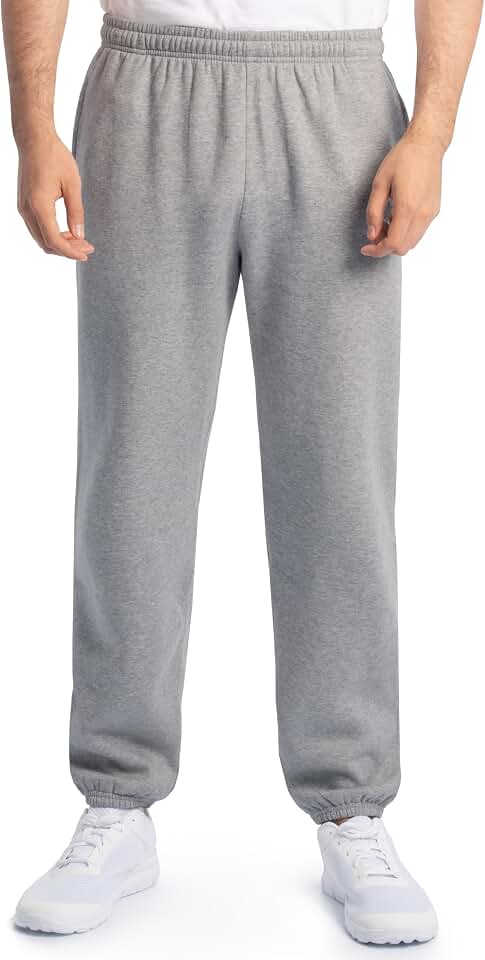
If you value a blend of durability, moisture‑wicking performance, and a trusted brand with an OEKO‑TEX certification, the following sweatpants are a solid choice for light workouts or travel.
V. Price Tiers & Brand Comparison
Sweatpants span a broad price spectrum, allowing shoppers to match budget with desired features.
A. Budget (<$12)
Basic cotton‑fleece or polyester‑cotton blends; minimal branding; good for lounging or casual home use.
B. Mid‑Range ($13‑$20)
Better fabric blends, added features such as zip pockets or tapered cuts, often carry OEKO‑TEX or similar certifications.
C. Premium ($27‑$45)
Brand prestige (Nike, Adidas, Champion), fashion‑forward designs, performance finishes, and sometimes sustainable materials or multi‑pack value.
D. Multi‑Pack Considerations
Three‑pair sets typically range from $24‑$40, lowering the cost per pair; check that sizing is consistent across the pack.
E. Price‑Tier Table
| Price Range | Typical Features | Example Brands/Labels | Best For |
|---|---|---|---|
| <$12 | Basic cotton‑fleece or polyester blend; minimal branding | Various generic brands | Lounging, basic casual wear |
| $13‑$20 | Improved blends, zip pockets, tapered fit, often OEKO‑TEX | Fruit of the Loom, Hanes, Amazon Essentials | Remote work, travel, light exercise | $27‑$45 | Brand prestige, performance finishes, sustainable materials, fashion cuts | Nike, Adidas, Champion, Under Armour | Style‑focused athleisure, premium comfort |
For shoppers seeking a wide‑leg, baggy silhouette at a moderate price point with strong recent sales momentum, the following model offers a balance of style and value.

VI. When & How to Wear Sweatpants
Sweatpants are remarkably adaptable, but knowing the right context helps you look polished while staying comfortable.
A. Ideal Settings
- Home office / remote work: A tapered jogger paired with a neat tee or polo presents a put‑together look on video calls.
- Campus lounging / casual classes: Wide‑leg or relaxed styles provide ease for long days of sitting.
- Light exercise, warm‑up/cool‑down, yoga: Lightweight, moisture‑wicking models allow freedom of movement.
- Travel (flights, road trips): Easy‑on/off design and pockets keep essentials accessible.
- Casual outings, coffee runs, weekend errands: Pair with clean sneakers and a casual jacket for a relaxed yet intentional outfit.
B. Dress‑Code Limits
While sweatpants are widely accepted in casual venues, some establishments maintain stricter dress codes. Examples noted in cultural discussions include certain German cafés and nightclubs that prohibit athletic wear. If you’re unsure, opt for a neater cut (tapered jogger) and pair with a blazer or structured coat to elevate the look.
C. Styling Tips
- Athleisure: Tapered jogger + fitted performance tee + low‑top sneakers + minimalist watch.
- Relaxed chic: Wide‑leg + oversized sweater or cardigan + ankle boots + crossbody bag.
- Smart‑casual: Tapered jogger + button‑down shirt (untucked) + loafers or clean leather sneakers + belt.
- Layering for cooler weather: Add a denim jacket, bomber, or lightweight puffer over the sweatpants.
VII. Common Concerns & Myth Busting
Understanding frequent worries helps you make an informed purchase and care for your sweatpants properly.
A. Shrinkage & Pilling
Cotton‑fleece is prone to shrinkage when exposed to hot water or high‑heat drying. Polyester‑cotton blends resist shrinkage better. Pilling occurs more often on 100 % cotton surfaces; turning the garment inside out before washing and avoiding fabric softener can reduce it.
B. Sizing Inconsistency
Size charts vary between brands. Reading recent customer reviews for notes on “runs small” or “runs large” and measuring yourself (see Section III.E) improves the chance of a good fit.
C. Dress‑Code Perception
Acceptability depends on the venue. While many casual restaurants and retail stores welcome sweatpants, upscale dining or formal events typically require alternative attire.
D. Workout Suitability
Lightweight, moisture‑wicking sweatpants are designed for low‑intensity activity or warm‑up/cool‑down. Heavier fleece linings are best reserved for lounging, as they may overheat during vigorous exercise.
VIII. Frequently Asked Questions
What are sweatpants made of?
Sweatpants are most commonly made from cotton‑fleece, polyester‑cotton blends, or lightweight jersey. Many carry OEKO‑TEX STANDARD 100 or Global Recycled Standard labels, indicating skin‑safety and eco‑friendly production.
How should sweatpants fit?
The waist should sit comfortably at your natural hips without digging in; the inseam should reach your desired ankle point (typically 28‑32″). Tapered joggers narrow at the ankle, while wide‑leg styles stay loose throughout.
Do sweatpants shrink after washing?
Cotton‑fleece can shrink if washed in hot water or dried on high heat; washing in cold water and tumbling low or air‑drying minimizes this. Polyester‑cotton blends are more resistant to shrinkage.
Are the pockets deep enough for a smartphone?
Most sweatpants feature side slip pockets around 6 inches deep, which comfortably fits current smartphone models. Zip or cargo pockets often offer similar or greater depth.
Do sweatpants run true to size?
Sizing varies by brand; some users report runs small or large. Checking the manufacturer’s size chart and reading recent reviews helps determine the best fit for you.
Can I wear sweatpants for light workouts?
Lightweight, moisture‑wicking models are suitable for low‑intensity activity, warm‑up, or cool‑down. Heavier fleece‑lined sweatpants are better for lounging, as they may overheat during vigorous exercise.
What does OEKO‑TEX mean on sweatpants?
OEKO‑TEX STANDARD 100 certifies that the textile has been tested for harmful substances and is safe for skin contact.
How much should I spend on good quality sweatpants?
Quality options exist across tiers: under $12 for basic lounging pairs, $13‑$20 for added features like zip pockets or tapered cuts, and $27‑$45 for brand prestige, performance finishes, or sustainable materials.
Are wide‑leg sweatpants still in style 2026?
Wide‑leg/baggy sweatpants remain a prominent trend in 2026, especially for lounge and street‑style looks; pairing them with fitted tops or structured outerwear balances the silhouette.
How to prevent pilling on sweatpants?
Turn the pants inside out before washing, use cold water, avoid fabric softener, and tumble dry on low heat or air‑dry to reduce friction that causes pilling.
IX. Conclusion
Sweatpants have evolved from simple athletic wear into a versatile wardrobe staple that balances comfort, utility, and style. By considering fabric type, fit, pocket design, and care requirements, you can select a pair that matches your primary use—whether that’s remote work, travel, lounging, or light activity. Remember to check sizing charts, look for certifications that matter to you, and follow care instructions to keep your sweatpants looking fresh over time.
Ready to upgrade your comfort wardrobe? Explore the product options highlighted throughout this guide, or use the buying criteria above to find the perfect pair for your lifestyle.