

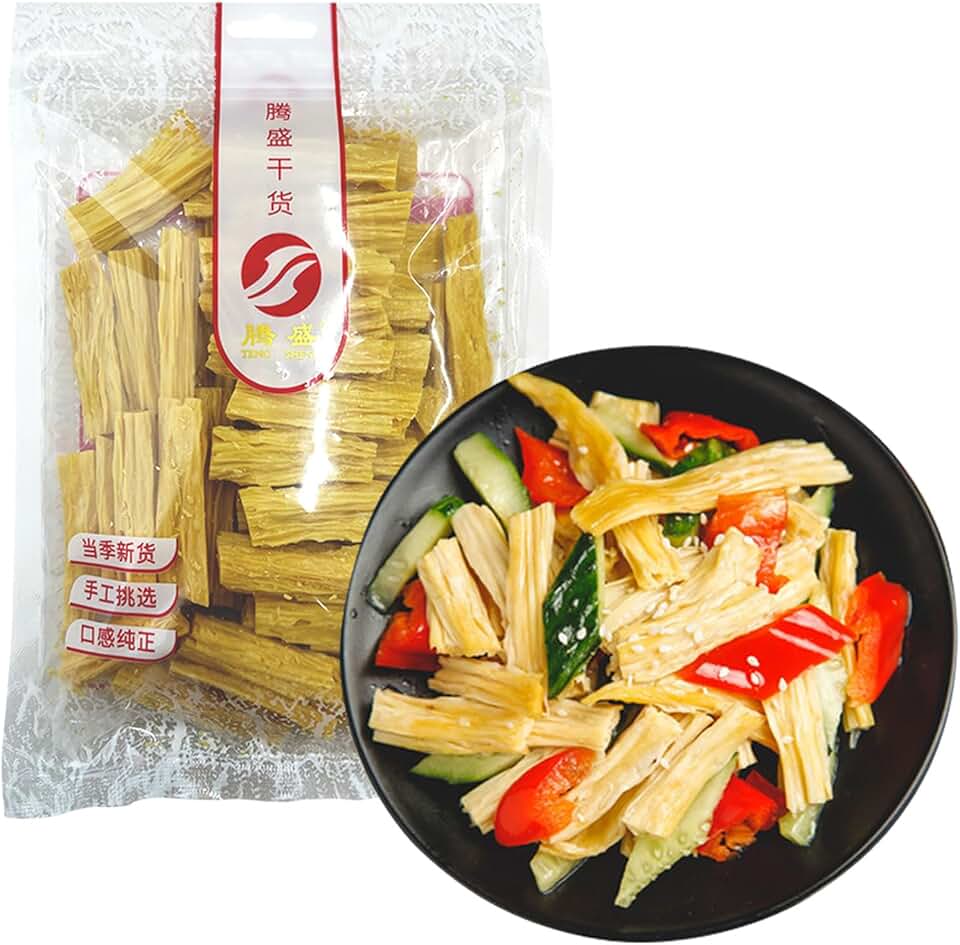
In the vibrant world of culinary ingredients, few items blend versatility, nutrition, and a touch of ancient artistry quite like tofu skin. Also known by its elegant Japanese name, Yuba, or the Chinese term Doufu Pi, this delicate soy product is a staple in East Asian cuisines, celebrated for its unique texture and impressive nutritional profile. However, amidst the growing interest in natural health and trending supplements, there seems to be a curious misconception bubbling up: is tofu skin a new herbal medicine? At Best Buy Hot Sales Deals, we’re here to set the record straight and dive deep into what this culinary gem truly is.
This comprehensive guide will take you on a journey from the humble soybean to the esteemed position tofu skin holds on plates around the world. We’ll unravel its fascinating creation process, dissect its rich nutritional benefits, explore its incredible versatility in the kitchen, and most importantly, clarify its role as a wholesome food, definitively not an herbal medicine. If you're looking to enrich your diet with plant-based protein or simply expand your culinary horizons, understanding tofu skin is your first delicious step.
Introduction: Unveiling Tofu Skin – A Culinary Gem
What is Tofu Skin (Yuba)? A Journey from Soy Milk to Delicacy
Tofu skin, or Yuba, is one of those culinary marvels born from simplicity and patience. Its creation is quite fascinating: when soy milk is gently heated in a shallow pan, a thin, protein-rich film forms on its surface. This film, much like the skin that forms on heated cow's milk, is carefully lifted off and dried or used fresh. Each successive layer that forms is also harvested, resulting in various textures and thicknesses of tofu skin.
- Yuba (Japanese): Known for its delicate, often slightly sweet flavor, fresh yuba is a prized delicacy, enjoyed for its tender texture.
- Doufu Pi (Chinese): A broader term often referring to fresh sheets of tofu skin, highly versatile in Chinese cooking.
- Fuzhu (Chinese): Specifically refers to dried tofu skin sticks or rolls, which need rehydration before use.
The history of tofu skin is deeply intertwined with the history of tofu itself, dating back over a thousand years in China, from where it spread to Japan and other parts of Asia. It quickly became a significant ingredient, especially in Buddhist vegetarian cuisine, providing a rich source of protein and a satisfying texture that could mimic meat.
Setting the Record Straight: Tofu Skin as a Food, Not an Herbal Medicine
Despite its ancient origins and health benefits, it's vital to clarify from the outset: tofu skin is a food product, not an herbal medicine or a trending herbal supplement. Its primary role has always been and continues to be as a versatile, protein-rich ingredient in a myriad of dishes. While it certainly contributes to a healthy diet, it's celebrated for its nutritional profile and culinary applications, not for targeted medicinal claims associated with botanical extracts.
Tofu Skin and the Herbal Medicine Landscape: Debunking the Myth
In an era where terms like "superfood" and "adaptogen" are widely discussed, it's easy for misconceptions to arise. Let's draw a clear line between what constitutes herbal medicine and what defines a food product like tofu skin.
Defining Herbal Medicine vs. Food Products: A Clear Distinction
The distinction between herbal medicine and food products is fundamental, though sometimes blurred by popular health trends. Herbal medicine typically involves plant extracts, parts of plants (roots, leaves, flowers) used for specific therapeutic purposes, often in concentrated or processed forms (tinctures, capsules, teas). They often make targeted claims about alleviating specific symptoms or conditions and are often regulated as dietary supplements rather than food.
Food products, on the other hand, are consumed primarily for sustenance, energy, and general nutritional health. While many foods offer health benefits, their primary classification revolves around macronutrient content (protein, fats, carbohydrates) and general dietary contribution. They are regulated as food and generally don't make specific, targeted therapeutic claims.
Featured Snippet Opportunity: What is the difference between food and herbal medicine?
The primary difference between food and herbal medicine lies in their intended use and classification. Food products are consumed for general nutrition, energy, and sustenance, providing macronutrients (proteins, fats, carbs) and micronutrients. Herbal medicines, however, are plant-derived substances or extracts used for specific therapeutic or medicinal purposes, often in concentrated forms, targeting particular health conditions or bodily functions. Foods provide general health support, while herbal medicines aim for targeted physiological effects.
Why Tofu Skin Doesn't Fit the "Herbal Medicine" Category
- Classification: Tofu skin is unequivocally a soy-based food product. It's derived directly from soy milk, a common food beverage, through a physical process, not extraction for concentrated compounds.
- Scientific and Traditional Medicine Perspective: While soybeans and soy products have been integrated into various traditional diets for their nourishing properties, tofu skin itself is not recognized or prescribed as a specific "remedy" in traditional Chinese medicine (TCM) or other traditional systems for targeted medicinal uses beyond general dietary health. Scientific research primarily examines the health impacts of overall soy consumption, not specific "medicinal" properties of tofu skin. For instance, a comprehensive review on soy and health focuses on its nutritional benefits as a food.
- Online Discourse Analysis: A quick scan of online conversations around tofu skin reveals discussions predominantly centering on recipes, culinary techniques, its unique texture, and its high protein content. These discussions do *not* involve medicinal claims, comparisons to pharmaceutical drugs, or therapeutic dosages.
- Market Trends: Tofu skin is typically found in the refrigerated or dried goods section of Asian markets and health food stores, alongside other food ingredients. It is not positioned or marketed alongside adaptogens (like Ashwagandha or Rhodiola), functional mushrooms (like Lion's Mane), or other botanical supplements that explicitly make health claims.
People Also Ask: Is tofu skin an adaptogen?
No, tofu skin is not an adaptogen. Adaptogens are specific types of herbs that help the body adapt to stress and maintain balance. Tofu skin is a food product made from soybeans, valued for its nutritional content and culinary versatility, not for adaptogenic properties.
The Nutritional Powerhouse of Tofu Skin (Yuba)
Beyond its culinary appeal, tofu skin stands out as a genuinely nutritious food, particularly valuable for those following plant-based diets. It packs a punch of macronutrients and offers a good profile of essential vitamins and minerals.
Macronutrient Breakdown: Protein, Fats, and Carbohydrates
Tofu skin is primarily celebrated for its high protein content, making it an excellent alternative to animal proteins. It's also a source of healthy fats and contains some carbohydrates, including fiber. The nutritional values can vary slightly between fresh and dried forms, mainly due to the water content.
| Nutrient (per 100g approx.) | Fresh Tofu Skin (Nama Yuba) | Dried Tofu Skin (Fuzhu, rehydrated) |
|---|---|---|
| Calories | ~150-180 kcal | ~150-180 kcal (once rehydrated) |
| Protein | ~16-20g | ~18-22g |
| Total Fat | ~8-10g | ~8-12g |
| Saturated Fat | ~1-2g | ~1-2g |
| Carbohydrates | ~4-6g | ~4-7g |
| Fiber | ~1-2g | ~1-3g |
| Iron | ~10-15% DV | ~10-20% DV |
| Calcium | ~5-10% DV (higher if fortified) | ~5-15% DV (higher if fortified) |
As you can see, tofu skin is a protein powerhouse, contributing significantly to daily protein needs for muscle repair, growth, and overall bodily functions. Its fat content is generally derived from healthy unsaturated fats present in soybeans.
Vitamins and Minerals: A Micronutrient Profile
Beyond macronutrients, tofu skin also offers a range of essential micronutrients:
- Iron: Important for oxygen transport in the blood and energy production.
- Calcium: Crucial for bone health, muscle function, and nerve transmission. Some tofu skins, especially commercially processed ones, may be fortified.
- Magnesium: Involved in over 300 enzymatic reactions, supporting muscle and nerve function, blood glucose control, and blood pressure regulation.
- B Vitamins: Contribute to energy metabolism and overall cellular health.
The Role of Soy Isoflavones and Their General Health Implications (From Soy as a Whole Food)
As a soy product, tofu skin naturally contains soy isoflavones, a type of phytoestrogen. It’s important to note that the health implications discussed below pertain to soy consumption as a whole food, not specific to tofu skin as an herbal remedy.
What the Science Says: Extensive research on soy has revealed several potential health benefits associated with regular, moderate consumption:
- Heart Health Support: Soy protein has been linked to modest reductions in LDL ("bad") cholesterol and total cholesterol, contributing to better cardiovascular health. The American Heart Association notes that soy protein can be a healthy part of a diet.
- Bone Health: The phytoestrogens in soy may have a protective effect on bone density, particularly in postmenopausal women, helping to mitigate bone loss.
- Potential for Managing Menopausal Symptoms: Some studies suggest that soy isoflavones may help reduce the frequency and severity of hot flashes in menopausal women, though individual responses vary.
- Antioxidant Properties: Soy contains antioxidants that help combat oxidative stress in the body, contributing to overall cellular health.
Registered dietitian and nutritionist, Dr. Maya Patel, often states, "Incorporating whole soy foods like tofu skin into a balanced diet offers a fantastic package of plant-based protein, healthy fats, and beneficial compounds like isoflavones. It's about leveraging the power of whole foods for comprehensive health, not seeking a magic bullet."
Culinary Uses and Versatility: A Chef's Delight
The true brilliance of tofu skin lies in its culinary versatility. It effortlessly transforms to fit a multitude of dishes, offering different textures and incredible flavor absorption capabilities. This is where it truly shines as a food ingredient.
Fresh Tofu Skin vs. Dried Tofu Skin: Differences in Preparation and Use
Tofu skin is primarily available in two forms, each with its unique characteristics and culinary applications:
- Fresh (Nama Yuba / Fresh Doufu Pi):
- Texture: Incredibly delicate, soft, and somewhat slippery, often with a slightly creamy mouthfeel.
- Use: Prized in high-end Japanese cuisine, it's often served simply as sashimi with a dipping sauce, in elegant soups, or as delicate wraps. Its subtle flavor allows it to absorb other seasonings beautifully without overpowering them. It's also used in fresh spring rolls or light broths.
- Dried (Fuzhu / Dried Bean Curd Sticks/Sheets):
- Texture: When dried, it becomes brittle and hard. Once rehydrated, its texture can range from chewy and meaty to soft and tender, depending on the form and preparation method.
- Use: This is the more common form found outside of specialized Asian markets. Dried sticks, knots, or sheets are incredibly versatile in Chinese and other Southeast Asian cuisines. They are fantastic in heartier dishes like braises, stir-fries, hot pots, and robust soups, where they soak up rich flavors.
Listicle Opportunity: 5 Key Differences Between Fresh and Dried Tofu Skin
- Delicacy: Fresh is extremely delicate; dried is robust (after rehydration).
- Preparation: Fresh is ready-to-use; dried requires rehydration.
- Availability: Fresh is specialty; dried is widely available in Asian markets.
- Texture Range: Fresh is uniformly soft; dried offers various textures (chewy, tender).
- Culinary Application: Fresh for light dishes; dried for heartier, flavor-absorbing meals.
Popular Dishes Featuring Tofu Skin Across Asian Cuisines
Tofu skin's adaptability makes it a star in countless dishes:
- Vegan "Duck" or "Chicken": Dried tofu skin sheets are famously layered and seasoned to mimic the texture of meat, often used in mock Peking duck or other vegetarian meat alternatives.
- Hot Pot Ingredients: Both fresh and rehydrated dried tofu skin are popular additions to hot pot, absorbing the rich broth flavors beautifully.
- Stir-fries and Braised Dishes: Dried tofu skin sticks (fuzhu) are a common ingredient in hearty stir-fries and slow-cooked braises, soaking up sauces and providing a satisfying chew.
- Soups and Noodle Dishes: Shredded tofu skin or delicate sheets add protein and texture to a variety of Asian soups, including savory broths and vegetarian noodle bowls.
- Spring Rolls and Wraps: Fresh tofu skin can be used as a delicate wrapper for savory fillings, offering a lighter alternative to traditional rice paper or wheat-based wraps.
Tips for Preparing and Cooking with Tofu Skin
- Rehydration Techniques for Dried Yuba:
- For softer textures, soak in warm water for 30-60 minutes until pliable.
- For chewier textures, soak in cold water for 2-4 hours or even overnight.
- Always drain thoroughly and gently squeeze out excess water before use.
- Flavor Absorption Tips: Tofu skin is a flavor sponge! Marinate rehydrated tofu skin in sauces, broths, or spices before cooking to infuse it with rich taste. It also shines when simmered directly in flavorful stews or curries.
- Storage Best Practices:
- Fresh Tofu Skin: Store in the refrigerator, often submerged in water (change daily), and use within a few days. It can sometimes be frozen, though the texture may change slightly.
- Dried Tofu Skin: Store in an airtight container in a cool, dry place indefinitely. Once rehydrated, treat it like fresh food and consume within 2-3 days.
For those eager to get hands-on, there are many excellent cooking tutorials available. Here's a suggested video embed: "How to Prepare Dried Tofu Skin" (Note: This is a placeholder; a real video link would be inserted here).
If you’re comparing highly rated options online, these products are frequently recommended by shoppers.
Many buyers prefer products with strong customer reviews and reliable performance.

When choosing the right option, factors like durability, ratings, and value often matter most.

Potential Health Benefits of Incorporating Tofu Skin into Your Diet
As a whole food derived from soybeans, tofu skin brings a host of benefits to the table, making it a valuable addition to a balanced diet, particularly for those seeking plant-based options.
Excellent Plant-Based Protein Source for Vegetarians and Vegans
One of the most significant advantages of tofu skin is its high protein content. For individuals following vegetarian or vegan diets, or simply looking to reduce meat consumption, tofu skin provides a complete protein source, containing all nine essential amino acids. This makes it ideal for:
- Supports muscle growth and repair: Adequate protein intake is crucial for athletes and active individuals for muscle maintenance and recovery post-exercise.
- Promotes satiety and helps with weight management: Protein is known to be highly satiating, helping you feel fuller for longer, which can be beneficial for managing appetite and caloric intake.
Contributes to Heart Health (Through Overall Soy Consumption)
As part of a diet rich in plant-based foods, incorporating tofu skin can contribute to cardiovascular well-being. It is naturally low in saturated fat and completely cholesterol-free, aligning with dietary recommendations for heart health. The plant compounds in soy also play a role in maintaining healthy cholesterol levels, as supported by various nutritional studies on soy and heart health.
Supports Bone Density and Strength (Related to Soy Isoflavones)
The isoflavones present in soy products like tofu skin are phytoestrogens, which have a chemical structure similar to human estrogen. This similarity allows them to interact with estrogen receptors in the body, potentially exerting a protective effect on bone density, particularly relevant for bone health in aging populations. While not a standalone solution, it contributes to an overall bone-healthy diet.
Source of Essential Micronutrients
Beyond its macronutrient profile, tofu skin supplies important vitamins and minerals:
- Iron for energy: Crucial for preventing fatigue and ensuring proper oxygen transport throughout the body.
- Calcium for bone health: A fundamental mineral for building and maintaining strong bones and teeth.
- Magnesium: Supports muscle and nerve function, blood sugar control, and blood pressure regulation.
Potential Concerns and Considerations When Consuming Tofu Skin
While tofu skin is a nutritious food, like any dietary component, there are potential concerns and considerations to be aware of to ensure it fits safely and effectively into your diet.
Soy Allergies and Sensitivities: What You Need to Know
Soy is one of the most common food allergens. For individuals with a soy allergy, consuming tofu skin (or any soy product) can trigger a range of symptoms, from mild (hives, stomach upset) to severe (anaphylaxis). Soy sensitivity or intolerance might lead to digestive discomfort. If you suspect a soy allergy or experience adverse reactions, it is medically responsible to consult a doctor or allergist immediately for diagnosis and guidance. You can find more information about understanding soy allergies from reputable health organizations.
GMO Soy and Sourcing Considerations
A significant portion of soybeans grown globally are genetically modified (GMO). While regulatory bodies generally consider GMO foods safe, some consumers prefer to avoid them for various reasons, including environmental concerns or personal health philosophies. If this is a concern for you, look for tofu skin products explicitly labeled as "Non-GMO Verified" or "Organic." These certifications ensure the product is made from non-GMO soybeans.
Processing and Additives: What to Look For
While fresh tofu skin is a minimally processed food, some dried or pre-packaged versions might contain additives. When purchasing, opt for products with simple ingredient lists – ideally just soybeans and water. Be mindful of excessive sodium levels, especially in seasoned or flavored tofu skin products, and watch out for unhealthy oils if fried versions are considered. Reading nutrition labels is key to making informed choices.
Moderation in Diet: Balancing Soy Intake
For most healthy individuals, moderate consumption of soy products like tofu skin is safe and beneficial. However, general dietary advice always emphasizes balance and variety. While soy offers many advantages, relying too heavily on any single food group or macronutrient can lead to an imbalanced diet. Incorporate tofu skin as part of a diverse diet rich in various fruits, vegetables, grains, and other protein sources to ensure you receive a broad spectrum of nutrients.
Tofu Skin vs. Other Soy Products: A Comparative Look
Soybeans are incredibly versatile, giving rise to a wide array of products, each with its unique characteristics. Understanding how tofu skin compares to other popular soy-based foods can help you choose the best option for your culinary and nutritional needs.
Tofu Skin vs. Firm Tofu: Texture, Use, and Nutrition
Both tofu skin and firm tofu originate from soy milk, but their processing and resulting characteristics are distinct. Firm tofu is made by coagulating soy milk, pressing the curds, and then forming them into blocks. It has a dense, somewhat spongy texture and a relatively neutral flavor, making it excellent for absorbing marinades and holding its shape in cooking. Tofu skin, on the other hand, is the film collected from the surface of heated soy milk, giving it a much thinner, often chewier or more delicate texture. Nutritionally, both are high in protein, but tofu skin tends to have a slightly higher fat content per gram due to being the concentrated 'cream' of the soy milk, while firm tofu might offer more calcium if fortified. For more on firm tofu, refer to an in-depth guide on tofu itself.
Tofu Skin vs. Tempeh: Fermented vs. Non-Fermented
Tempeh is a traditional Indonesian soy product made from fermented soybeans, forming a dense, firm cake. The fermentation process gives tempeh a distinctive nutty, earthy flavor and enhances its digestibility, often increasing its protein and fiber content, and potentially adding probiotics. Tofu skin is a non-fermented product, lacking the probiotic benefits but offering a milder flavor profile and a unique texture. Nutritionally, both are excellent sources of plant-based protein, but tempeh often edges out in fiber content due to the whole bean fermentation.
Tofu Skin vs. Edamame: Whole Bean vs. By-Product
Edamame are immature soybeans, typically steamed or boiled and eaten in their pods or shelled. As a whole, unprocessed bean, edamame is rich in fiber, vitamins (like Vitamin K and folate), and minerals. Tofu skin, while a byproduct of soy milk production, is also highly nutritious, concentrating the protein and fats of soy milk. Edamame provides the full spectrum of nutrients found in the whole soybean, whereas tofu skin represents a specific, concentrated component.
| Feature | Tofu Skin (Yuba) | Firm Tofu | Tempeh | Edamame |
|---|---|---|---|---|
| Form | Skin/Film from soy milk | Coagulated soy milk curds (block) | Fermented whole soybeans (cake) | Immature whole soybeans (in pod/shelled) |
| Texture | Delicate, chewy, meaty (rehydrated) | Firm, smooth, sometimes spongy | Nutty, firm, crumbly | Crisp, slightly buttery |
| Processing | Cooked soy milk film | Coagulated, pressed curds | Fermented whole beans | Minimally processed (boiled/steamed) |
| Protein (per 100g approx.) | High (~16-22g) | High (~8-10g) | Very High (~19-20g) | High (~11-12g) |
| Fiber (per 100g approx.) | Low-Moderate (~1-3g) | Low (~1-2g) | High (~6-10g) | High (~5g) |
| Unique Benefits | Unique texture, high protein, versatile | Neutral flavor, versatile, good calcium source | Fermented, high fiber, probiotics (potential) | Whole food, high fiber, rich in vitamins |
FAQs About Tofu Skin (Yuba)
Is Tofu Skin the same as Yuba?
Yes, "Tofu Skin" and "Yuba" refer to the same soy product. Yuba is the Japanese term, while Tofu Skin is the more common English translation. In Chinese, it's often called Doufu Pi (fresh sheets) or Fuzhu (dried sticks).
Is Tofu Skin healthy?
Yes, tofu skin is a very healthy food. It is an excellent source of plant-based protein, contains healthy fats, and offers essential minerals like iron and calcium. It is cholesterol-free and can be a nutritious component of a balanced diet.
Can you eat Tofu Skin raw?
Fresh tofu skin (nama yuba) can be eaten raw, often served as a delicate sashimi with dipping sauces in Japanese cuisine. Dried tofu skin, however, must be rehydrated and usually cooked before consumption due to its hard, brittle nature.
What does Tofu Skin taste like?
Tofu skin has a very mild, slightly nutty, and subtly sweet flavor on its own. Its greatest culinary asset is its ability to absorb the flavors of the broths, sauces, and spices it's cooked with, making it incredibly versatile.
Where can I buy Tofu Skin?
You can typically find fresh tofu skin in the refrigerated section of larger Asian grocery stores. Dried tofu skin (sticks, sheets, or knots) is widely available in the dried goods or noodle aisle of most Asian supermarkets and increasingly in the international section of mainstream grocery stores, as well as online retailers like Amazon.
Does Tofu Skin have estrogen?
Tofu skin, as a soy product, contains phytoestrogens, specifically isoflavones. These are plant-derived compounds that have a similar chemical structure to human estrogen and can weakly interact with estrogen receptors. However, they are not the same as human estrogen and do not exert the same powerful hormonal effects.
Is Tofu Skin an herbal medicine or supplement?
No, Tofu Skin is not an herbal medicine or a dietary supplement. It is a traditional and nutritious food product made from soybeans, celebrated for its protein content and culinary versatility, not for targeted medicinal properties.
Conclusion: Embracing Tofu Skin as a Nutritious Culinary Gem
A Versatile Ingredient, Not a Miracle Cure
Tofu skin, whether known as Yuba, Doufu Pi, or Fuzhu, is a truly remarkable ingredient. It stands as a testament to the versatility of the soybean, offering a rich source of plant-based protein, healthy fats, and essential micronutrients. Its unique texture and incredible ability to absorb flavors make it a favorite in East Asian cuisines and a fantastic addition to any plant-forward diet. It is, unequivocally, a wholesome food product – a culinary gem to be savored for its nutritional value and gastronomic potential, not a miracle cure or an herbal medicine. While it contributes to overall health as part of a balanced diet, it operates within the realm of food, offering sustenance and enjoyment.
Your Invitation to Explore the World of Yuba
We invite you to step into the delightful world of tofu skin! Whether you're a seasoned chef or a curious home cook, incorporating this versatile ingredient into your cooking can open up a realm of new textures and flavors. Experiment with fresh yuba in delicate salads or explore the hearty possibilities of dried tofu skin in braises and stir-fries. Embrace its adaptability and discover how this humble soy product can elevate your meals.
Unlock more plant-based recipes and nutrition tips! Sign up for our weekly newsletter to stay informed and inspired.
Discover other amazing plant-based proteins like Tempeh and Seitan on our blog, or find out more about vegan cooking tips to master plant-based cuisine!






0 Comments